Tinned Mackerel from Portugal
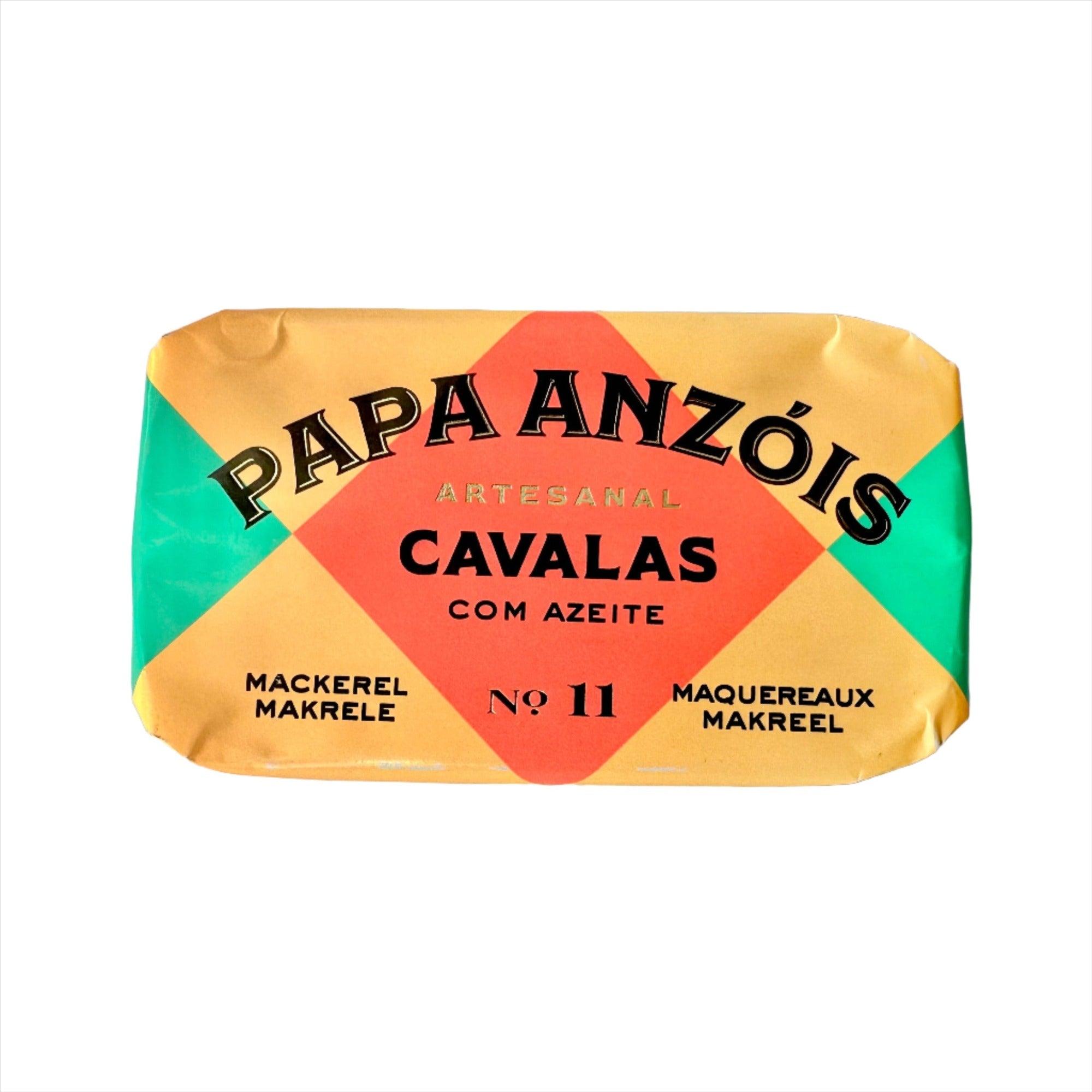
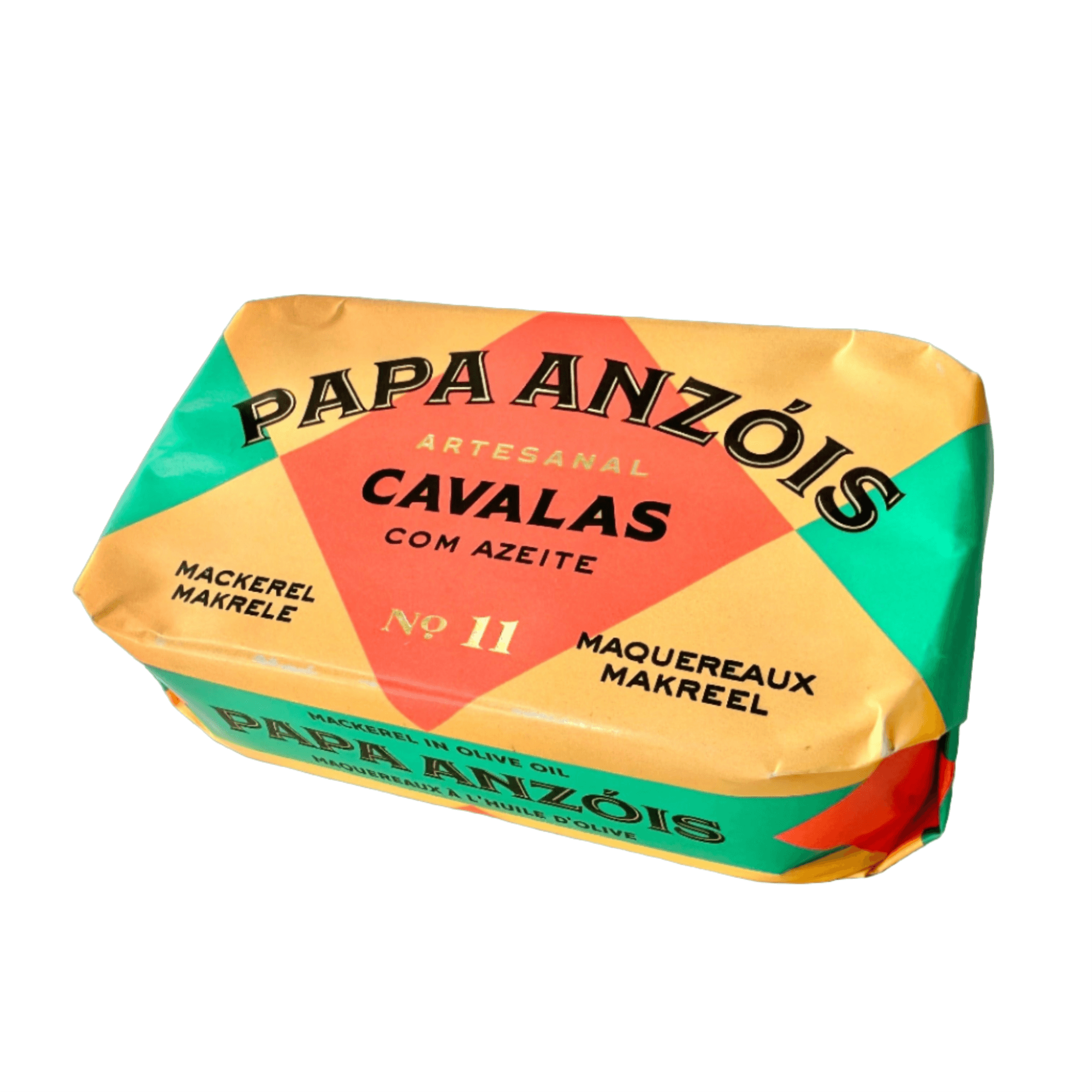
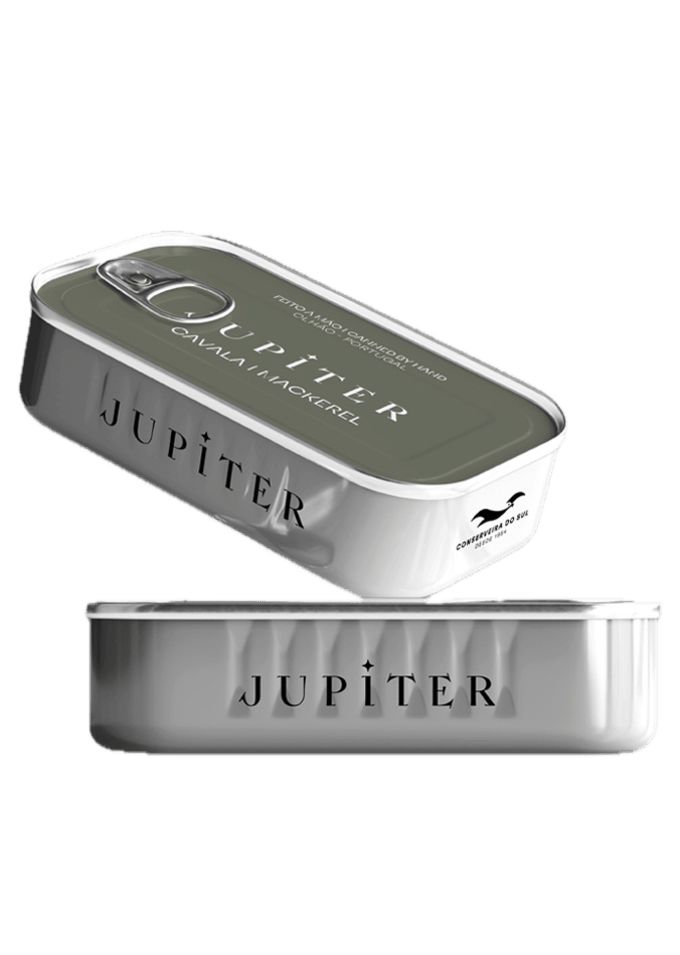
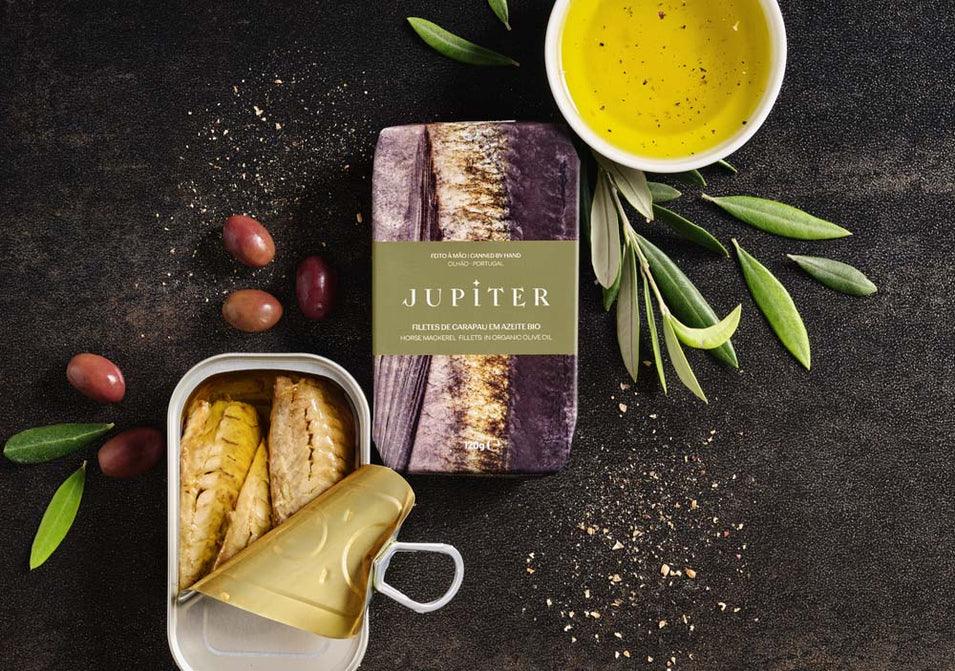
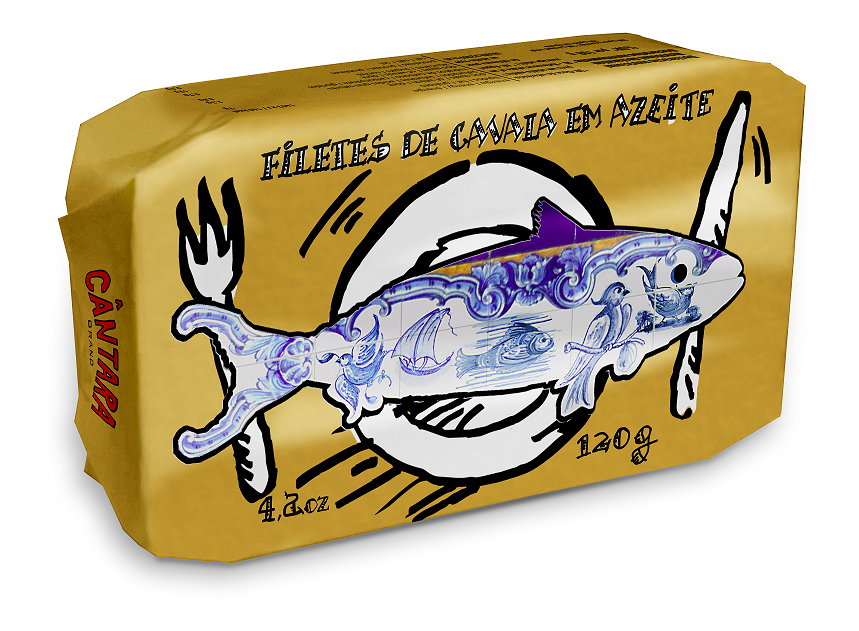
Tinned mackerel is one of Portugal’s best-loved fish, valued just as highly as sardines. Our range includes almost 20 varieties of tinned mackerel from Portuguese producers: mackerel fillets in olive oil, organic mackerel, spicy flavours and mackerel in sauces. Portuguese canneries draw on centuries of tradition – the fish is prepared by hand and packed in quality oil with natural seasonings, with no artificial additives.
Which tinned mackerel should you choose?
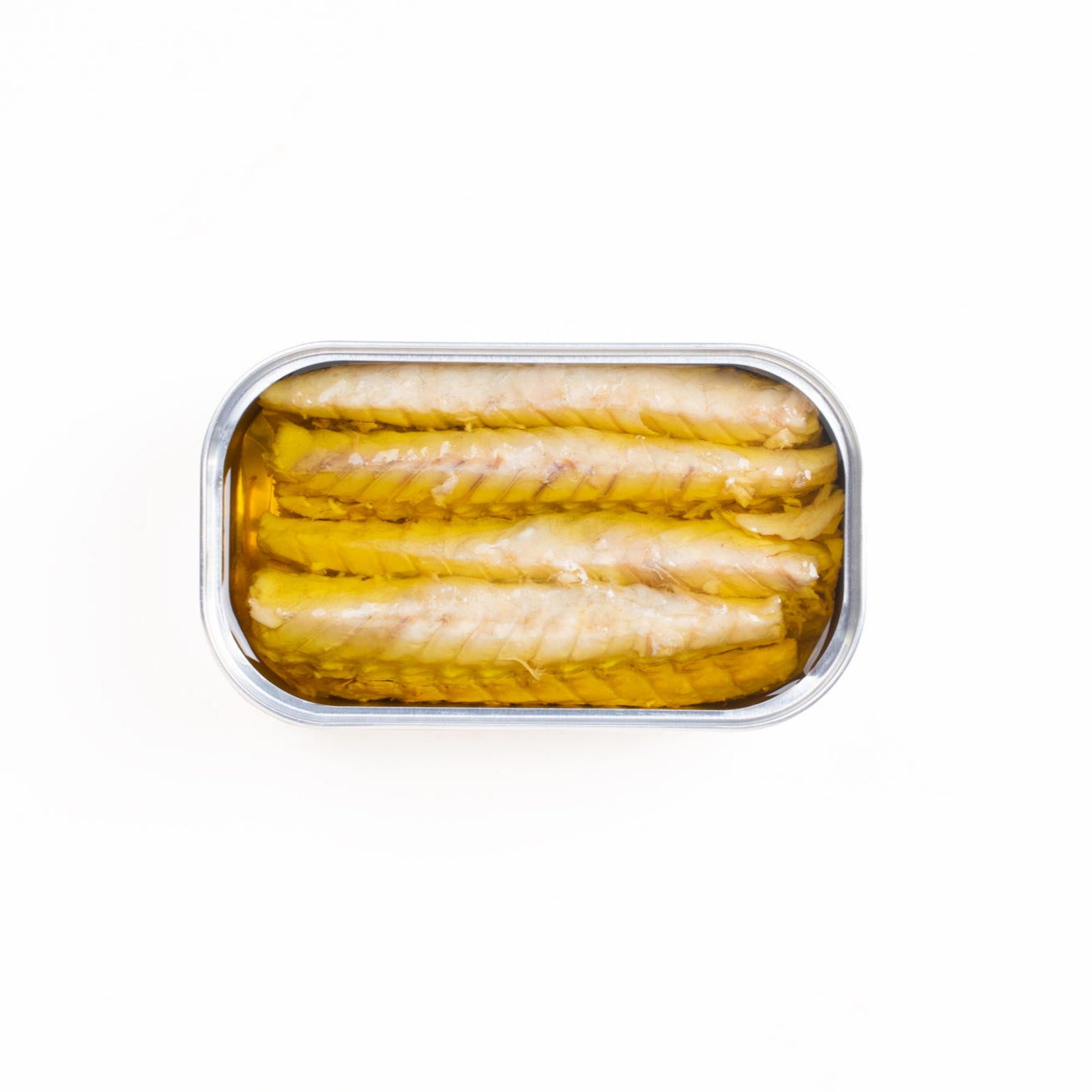
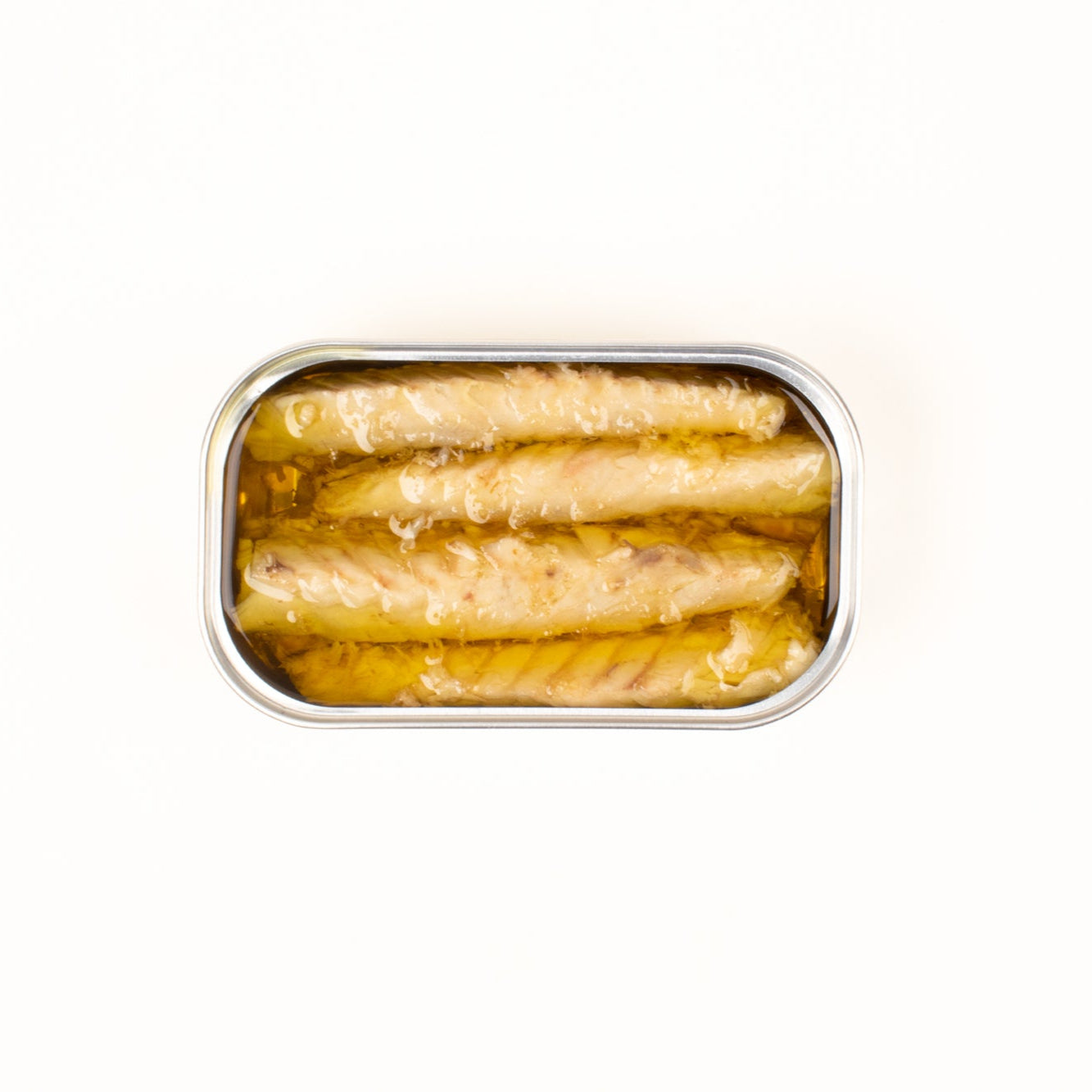
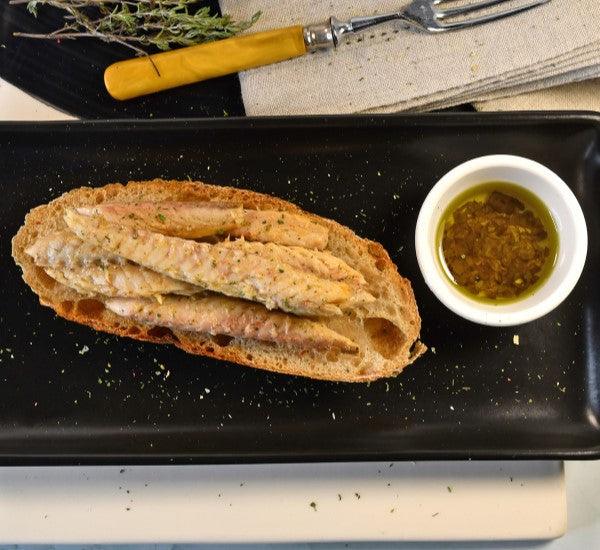
Mackerel fillets in olive oil
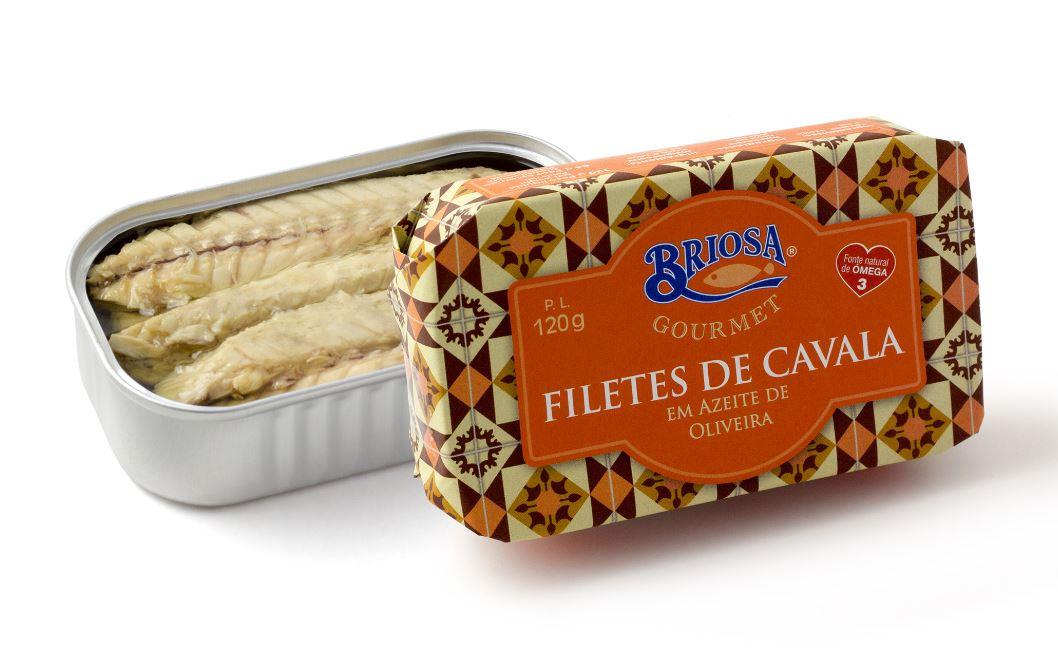
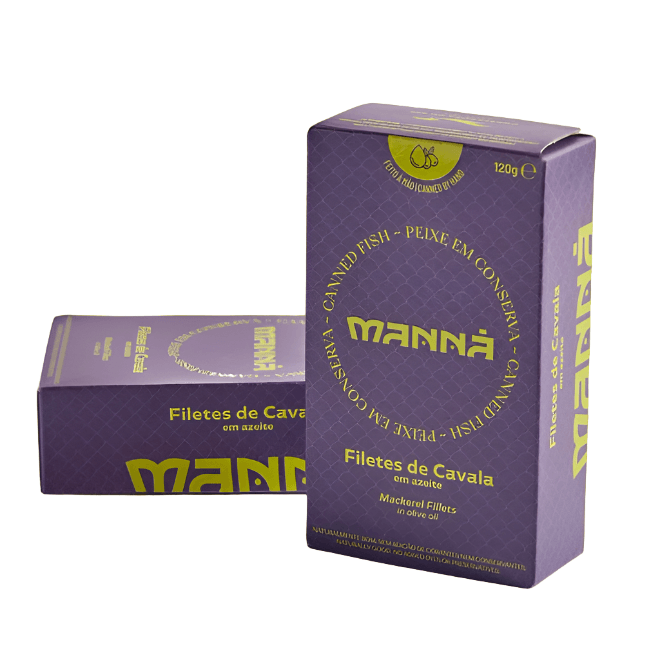
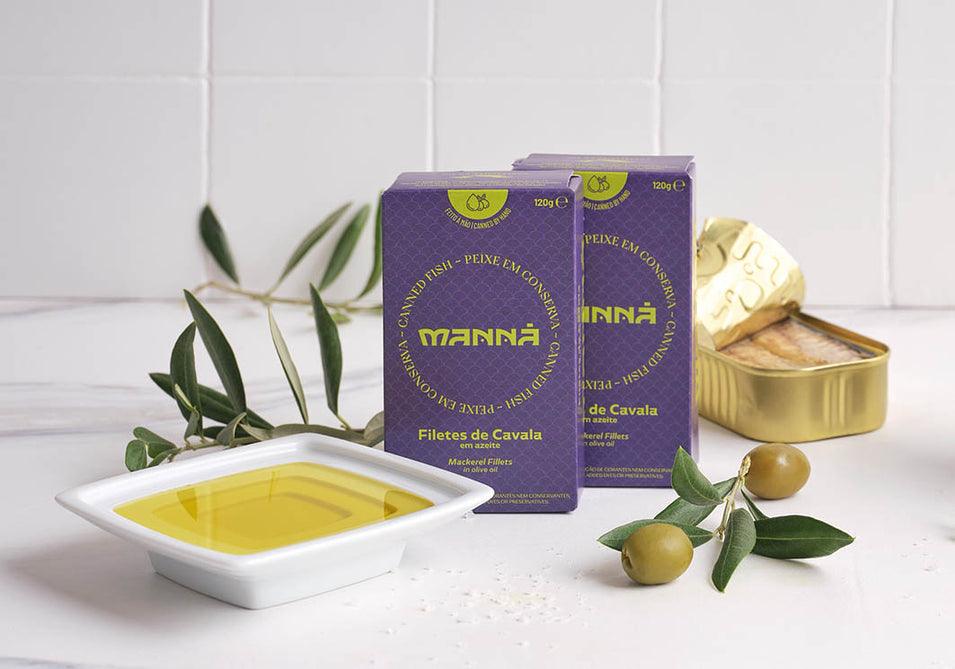
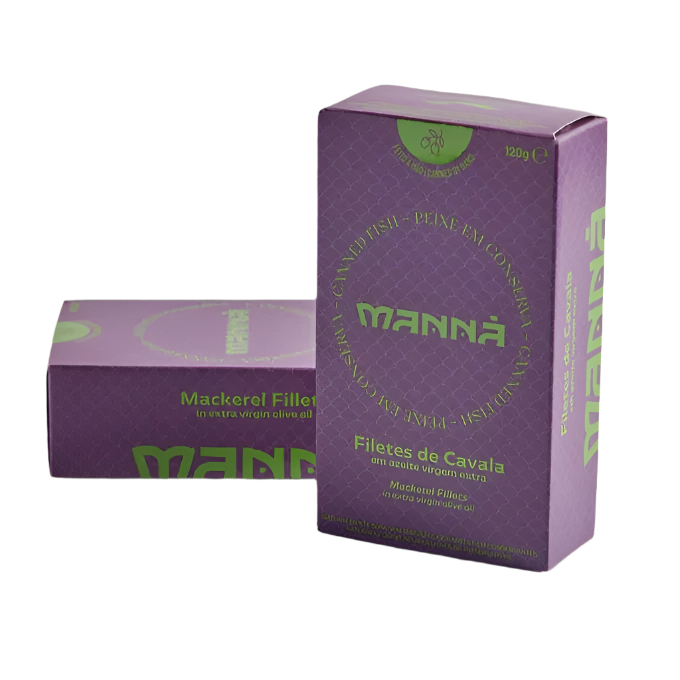
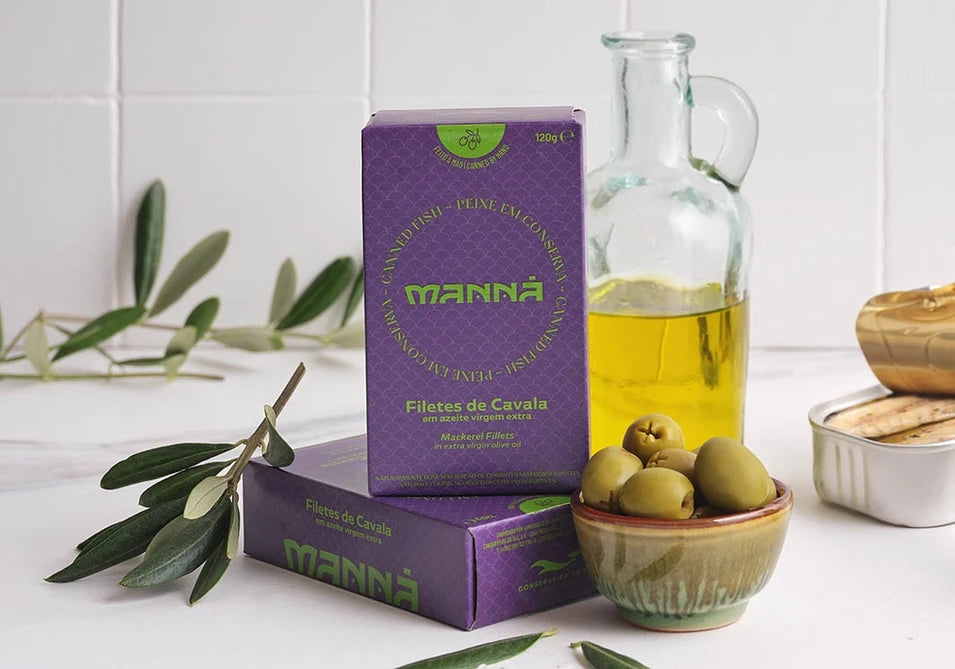
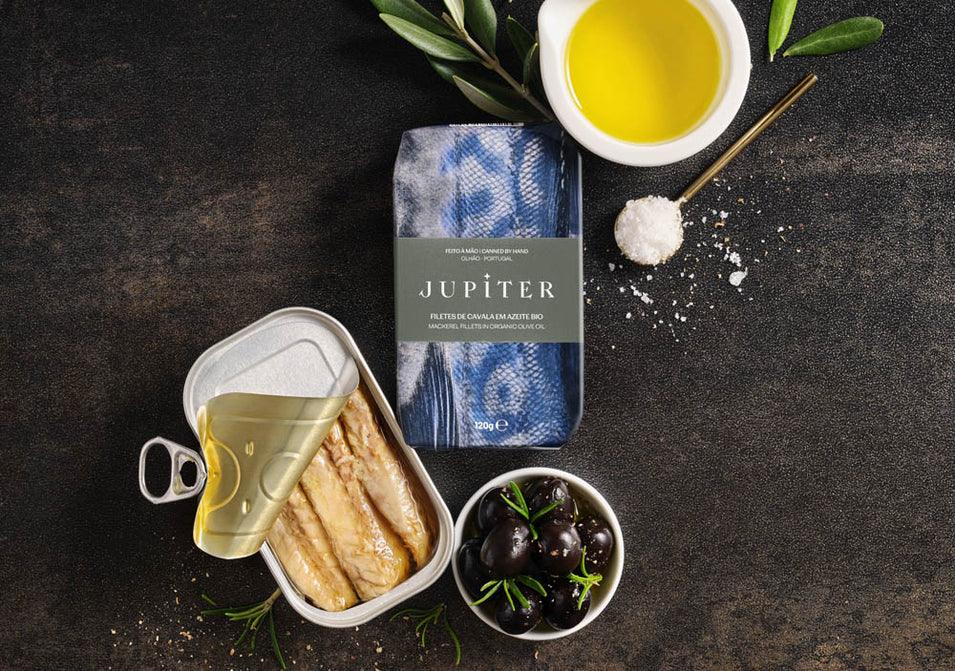
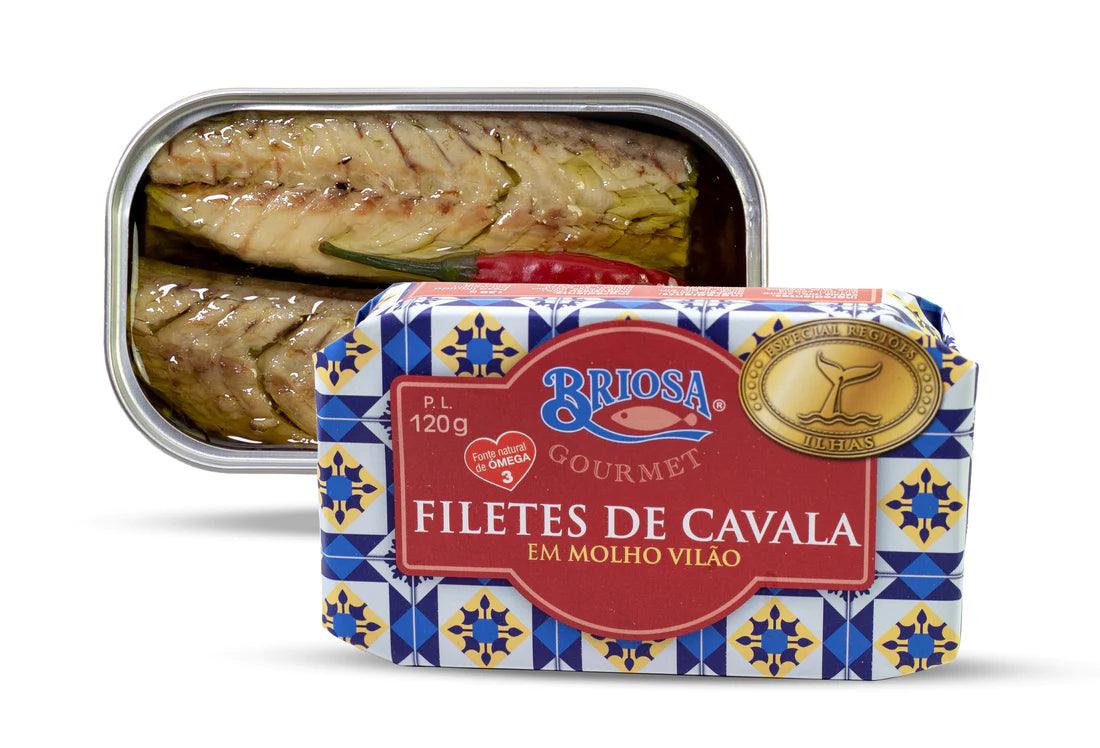
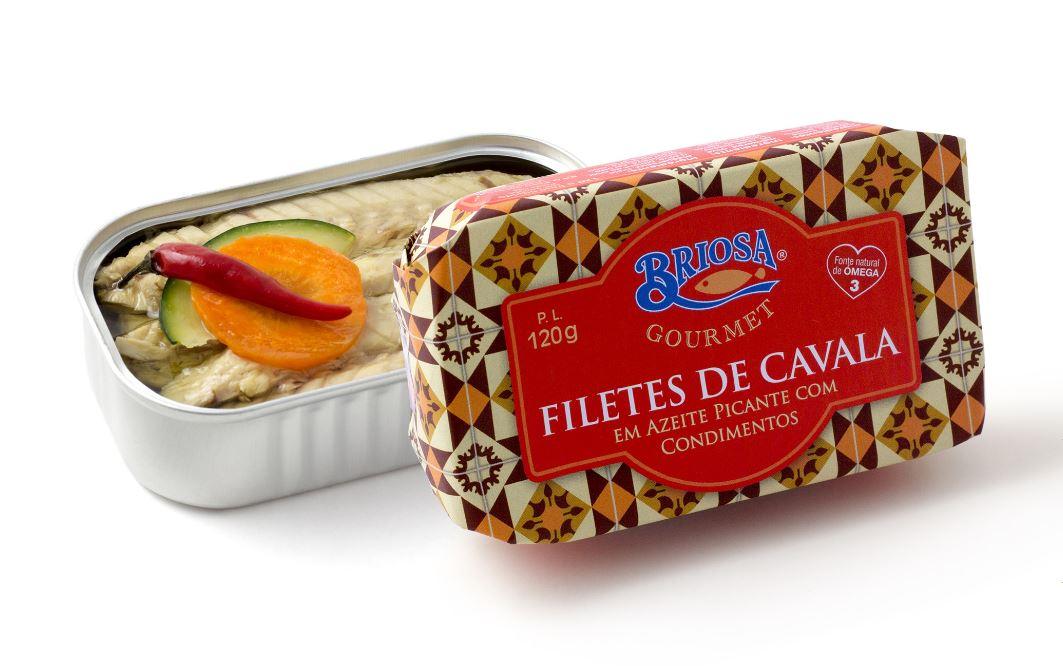
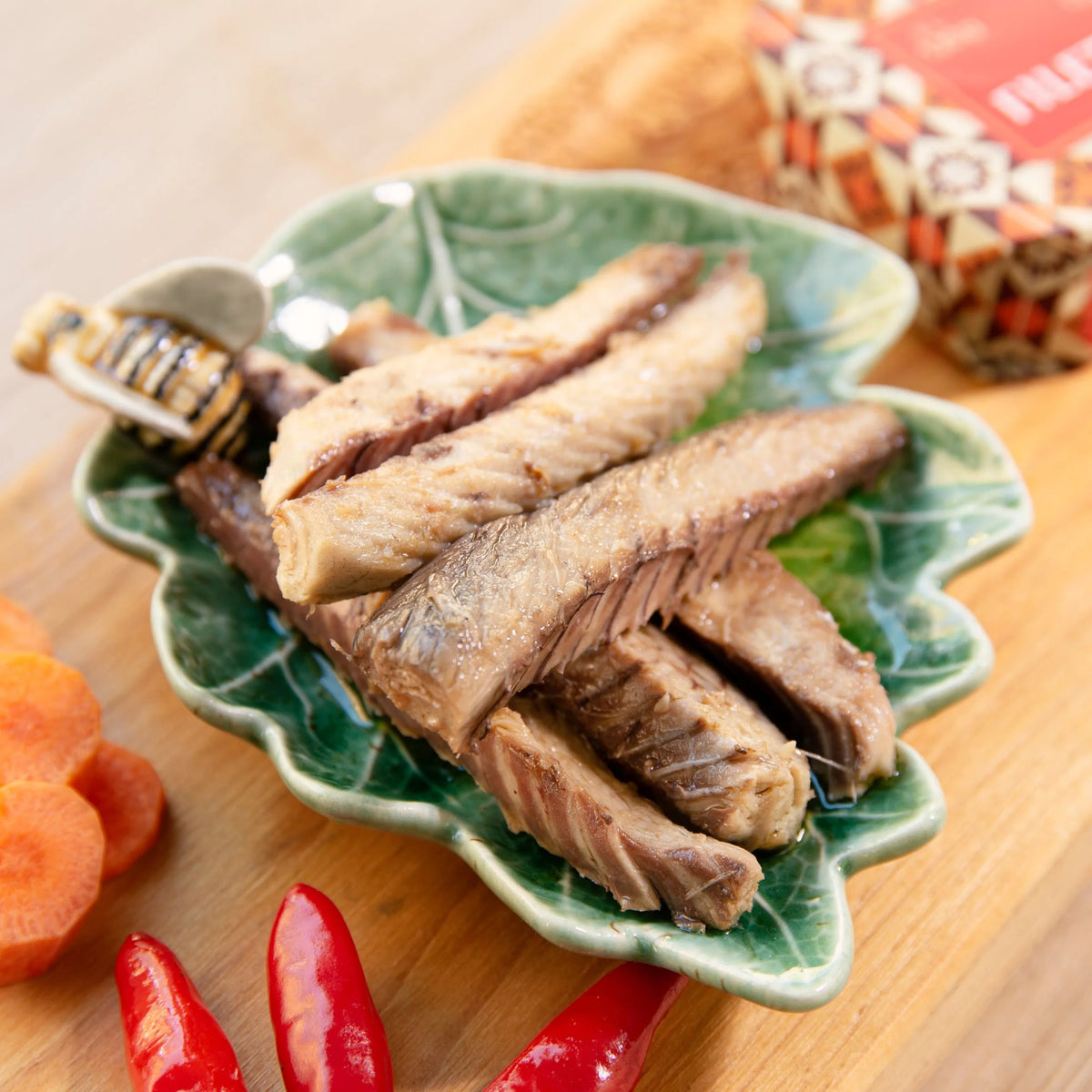
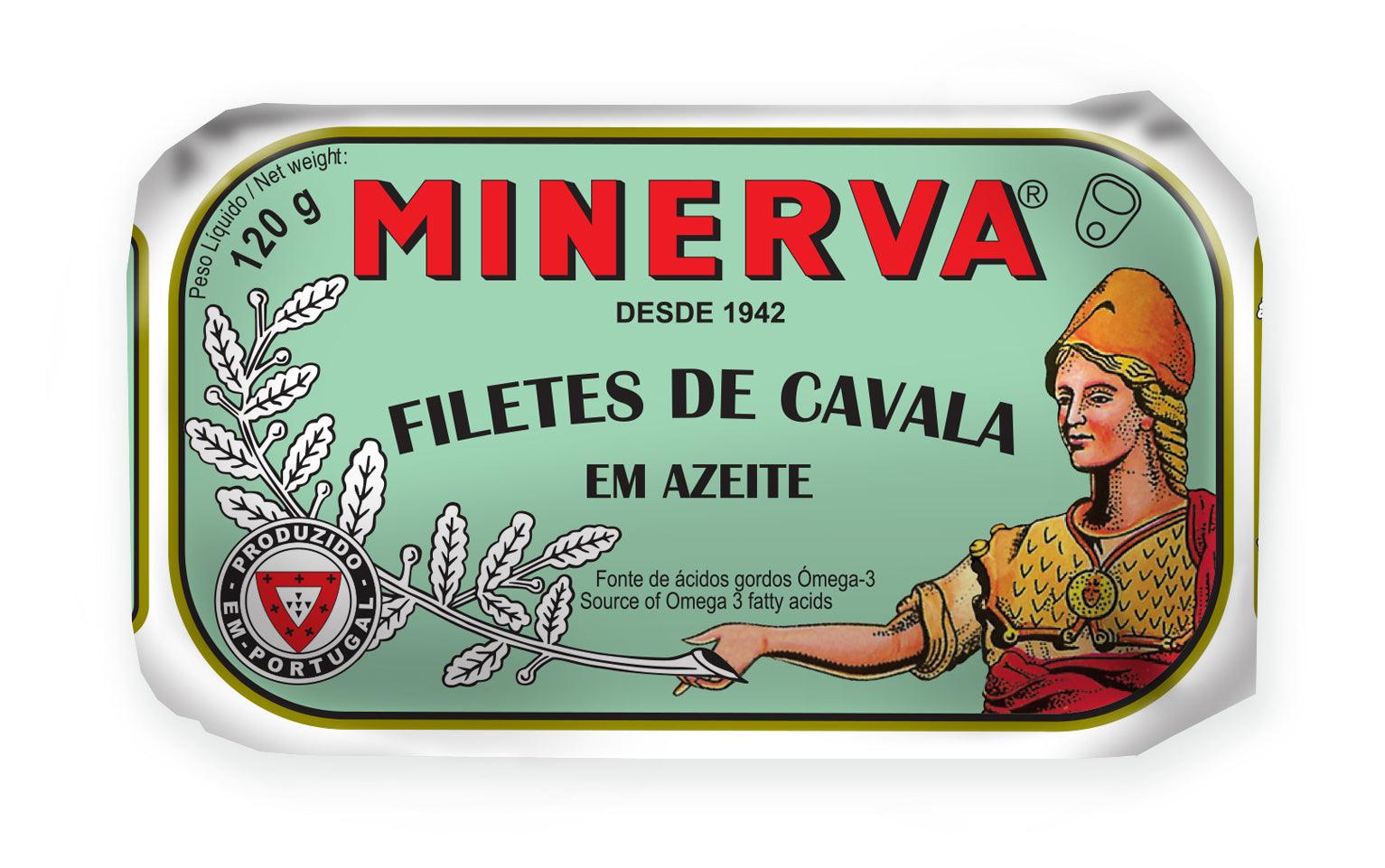
The most versatile choice: meaty fillets that are easy to add to salads, sandwiches or pasta. Classic fillets from Briosa Gourmet, Manná and Minerva are a great place to start.
Organic mackerel
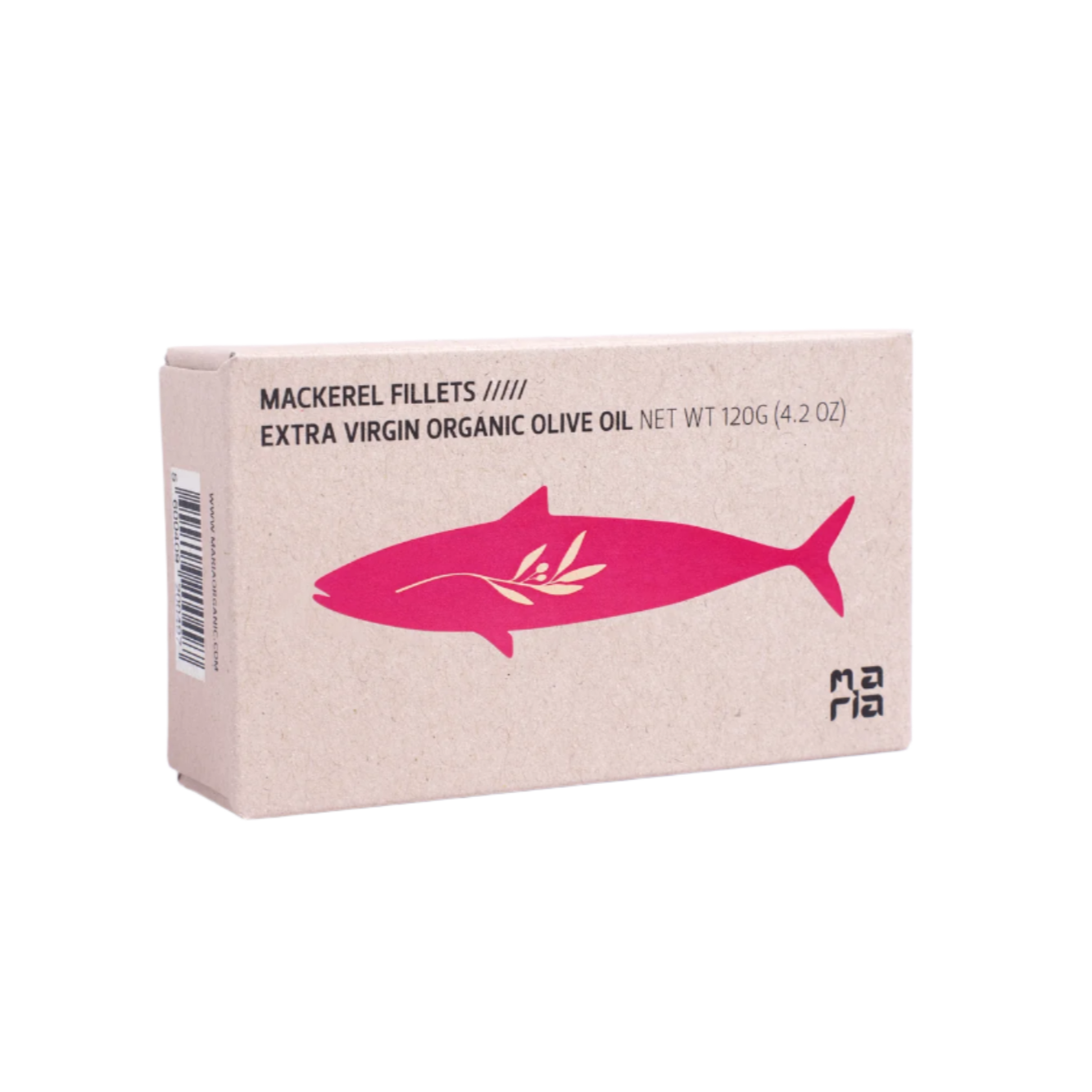
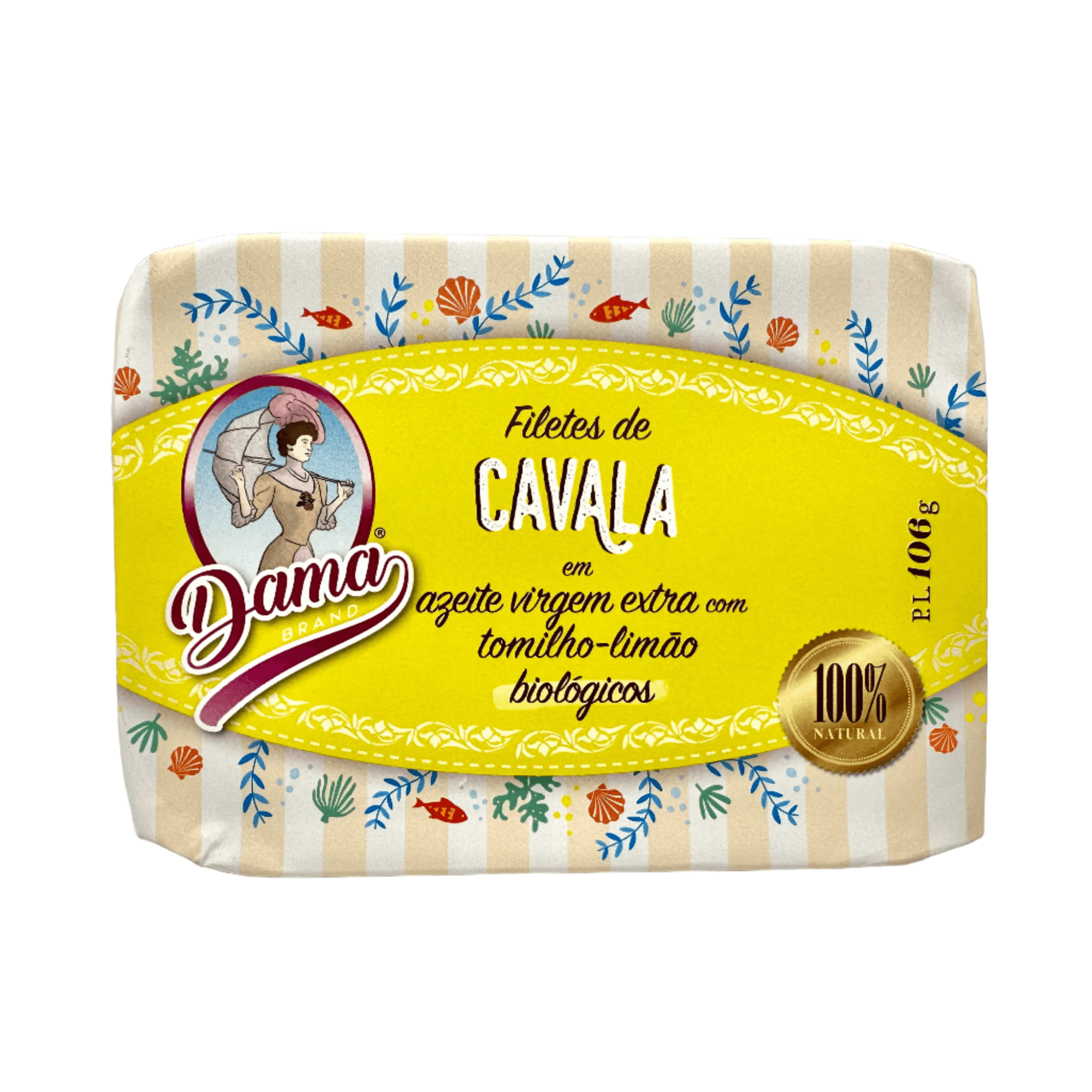
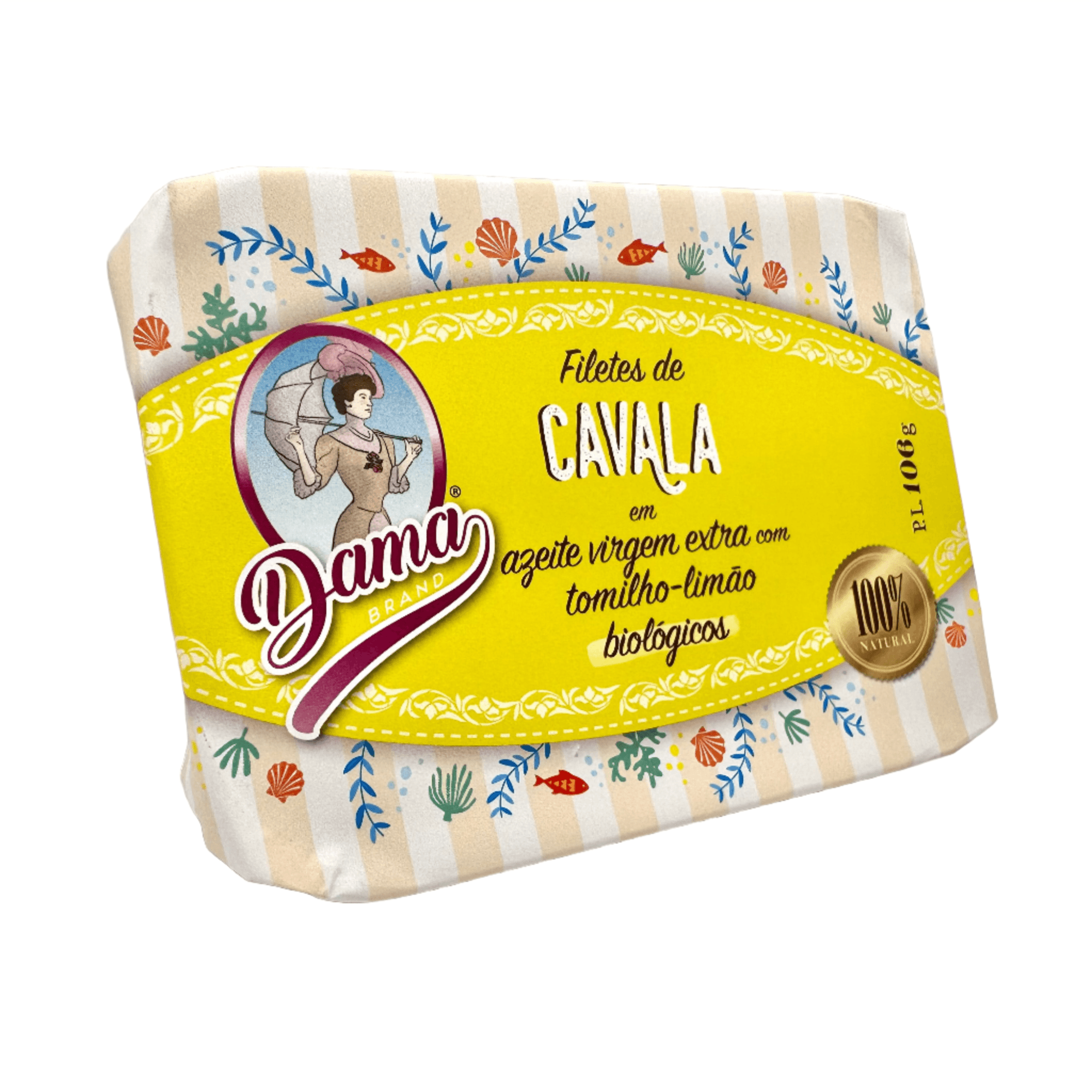
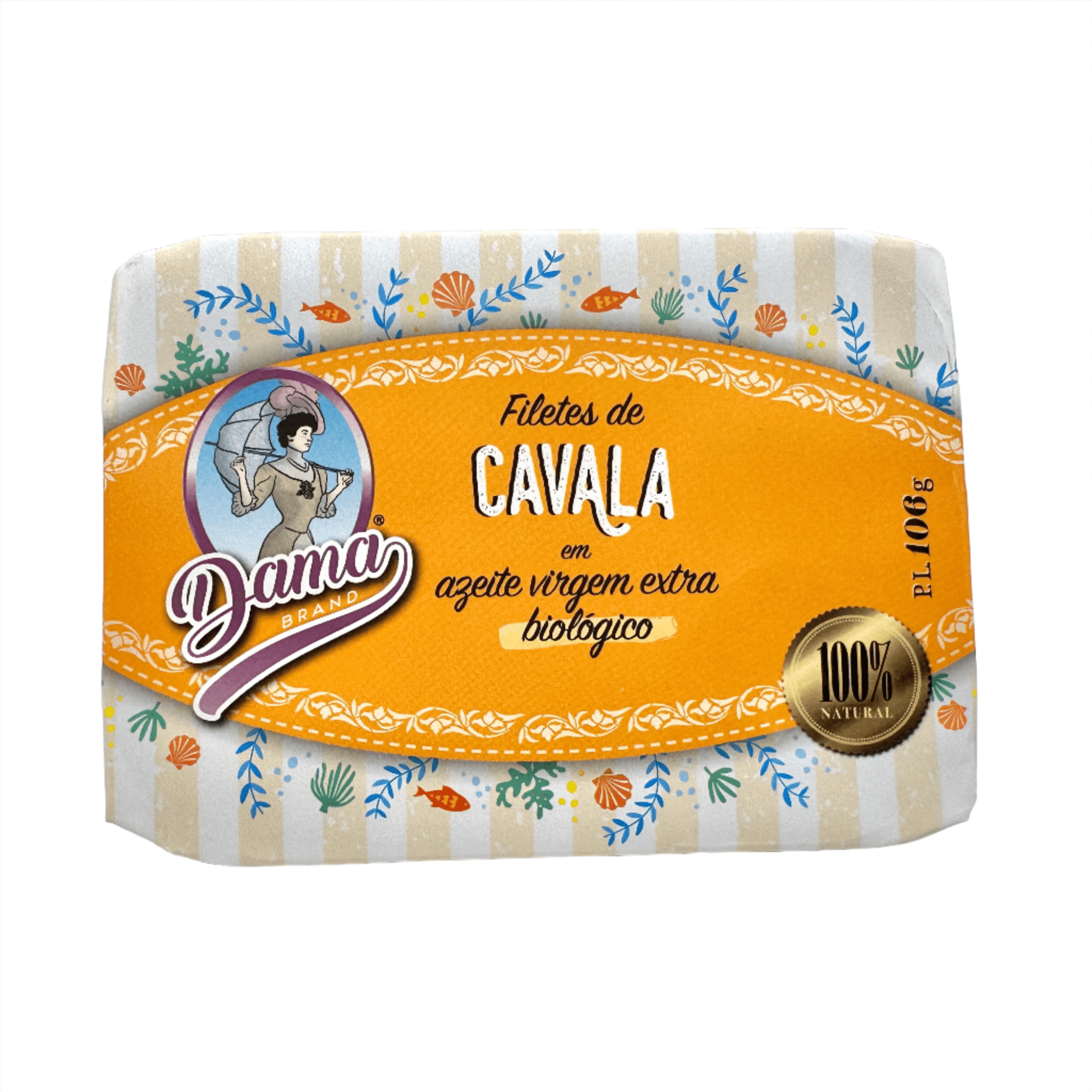
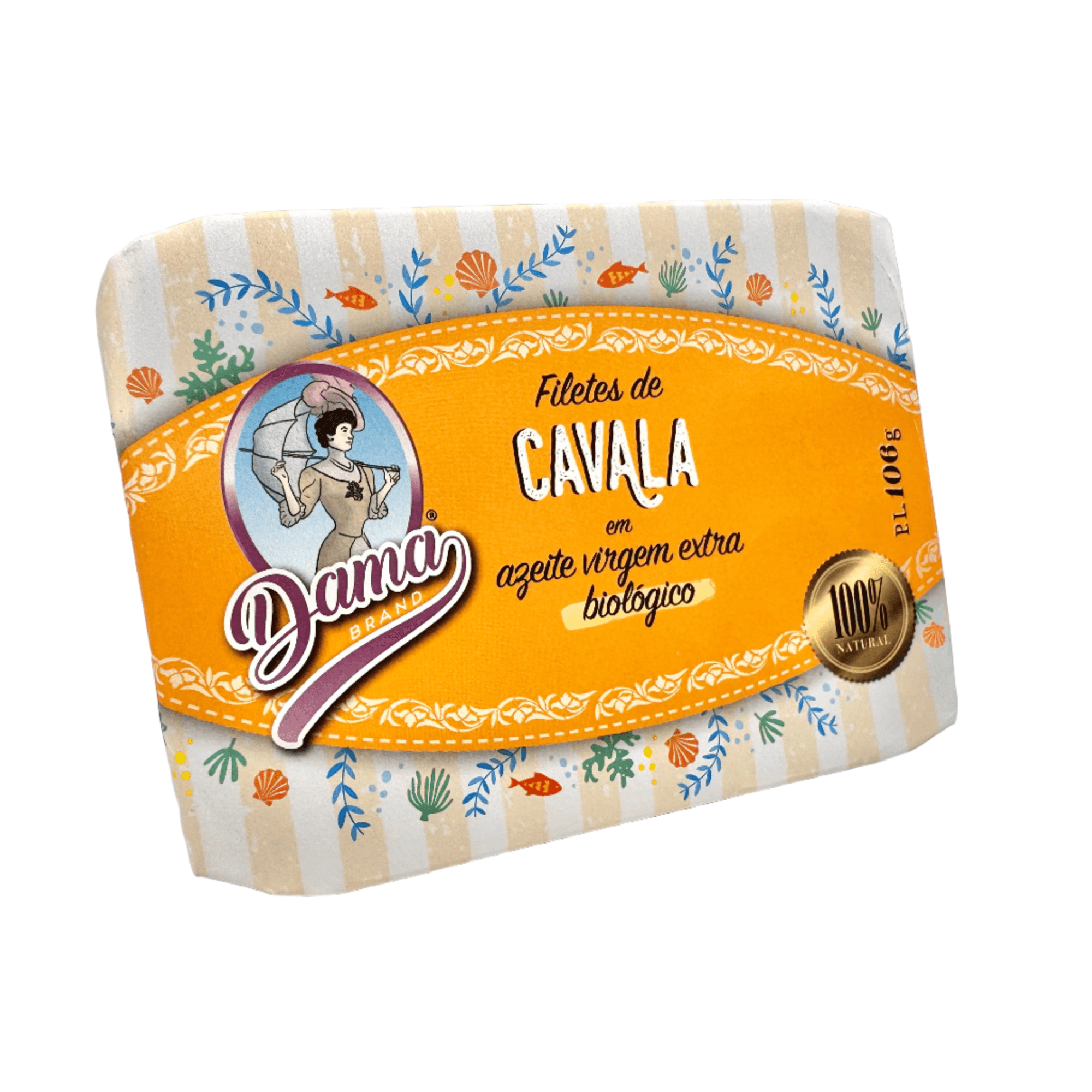
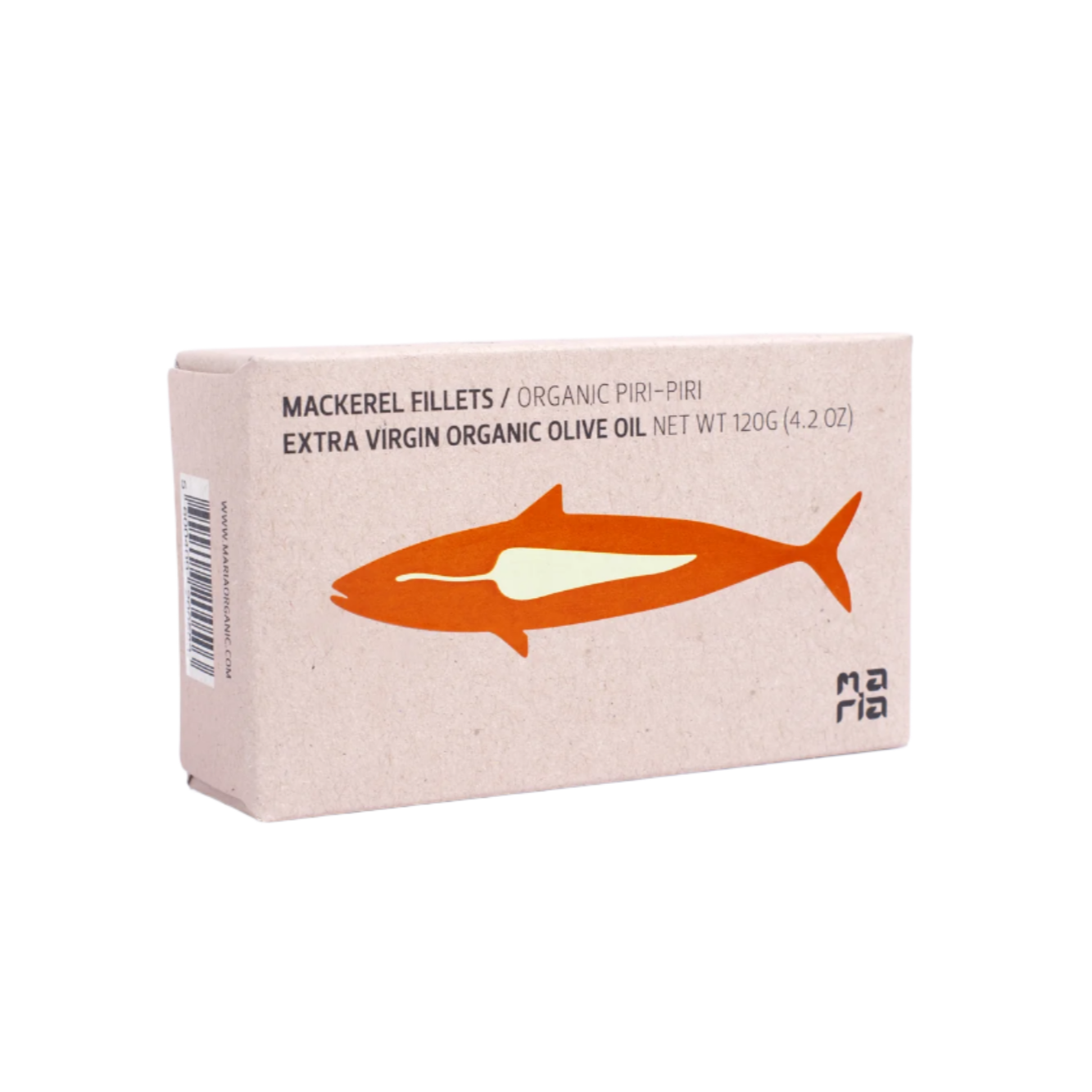
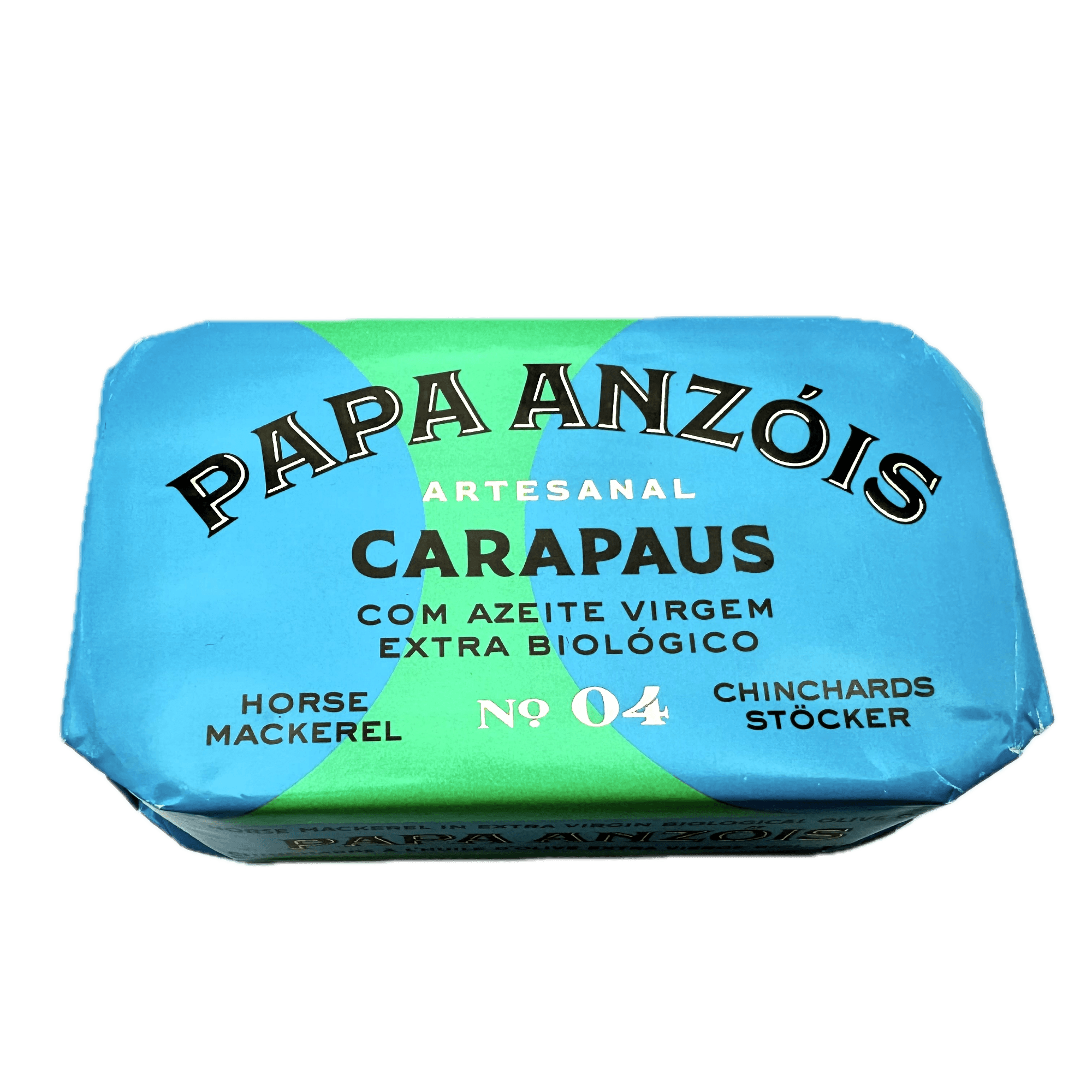
For those looking for certified organic products, there is mackerel in organic extra virgin olive oil from Dama, Maria Organic and Minerva BIO.
Spicy mackerel
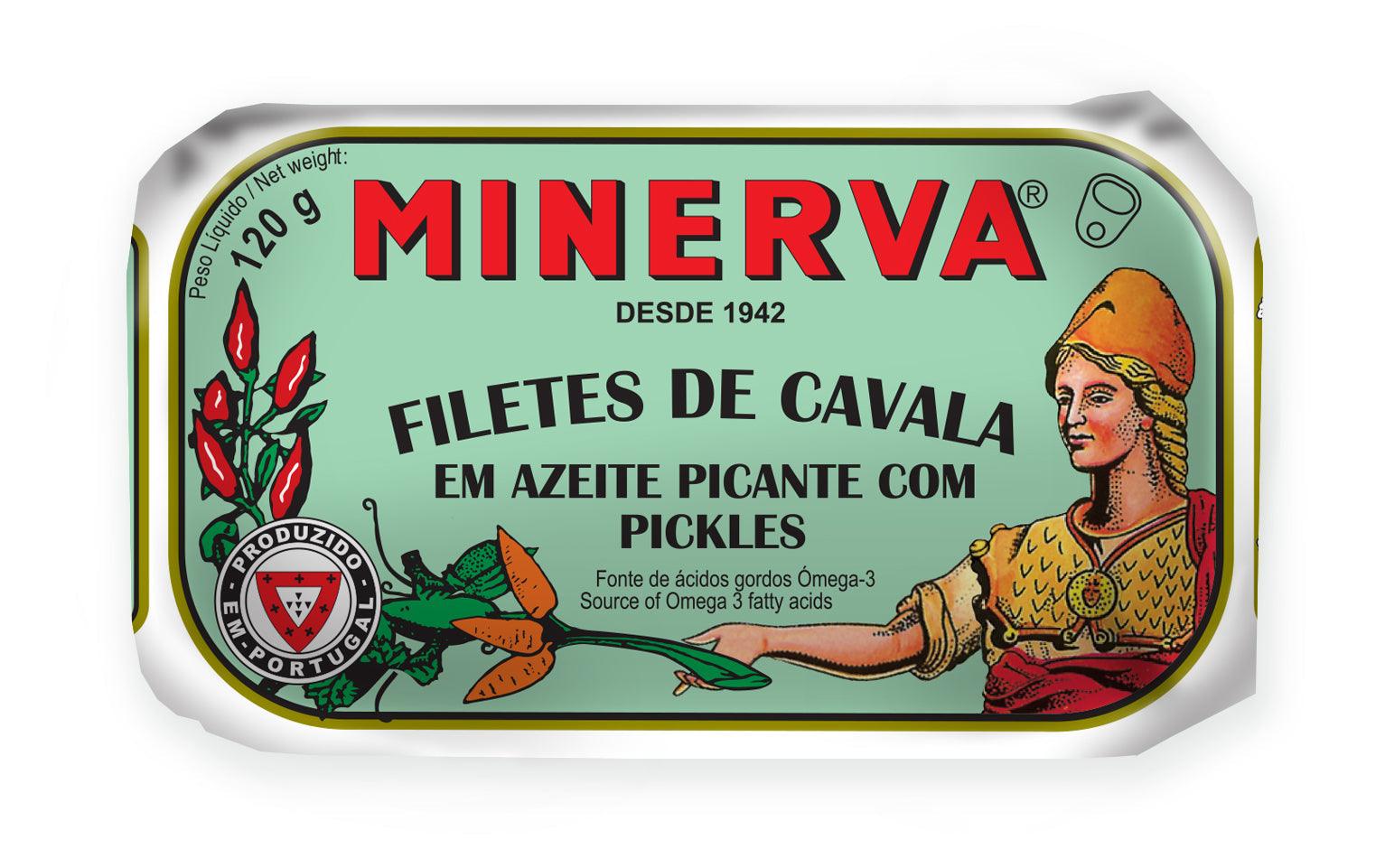
For a bolder flavour, try mackerel fillets in spicy olive oil, organic mackerel with chilli or mackerel with curry and chilli.
Mackerel with herbs and in sauces
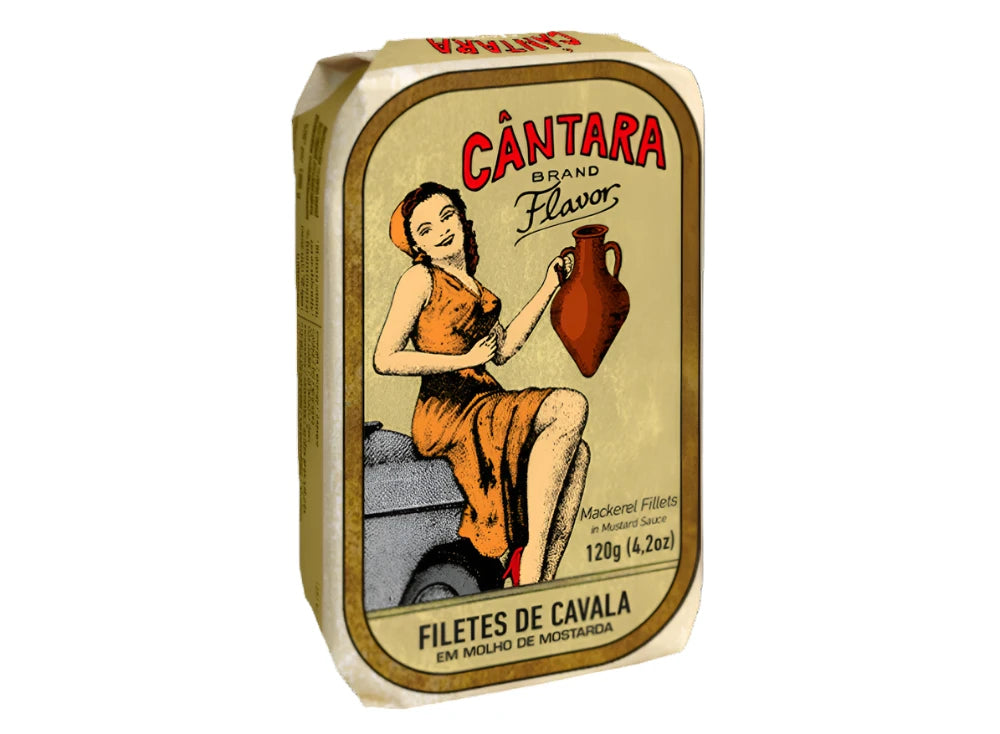
Ready to eat straight from the tin: mackerel fillets in mustard sauce, in Briosa Gourmet’s “Vilão” sauce or with garlic and parsley.
Small mackerel and mackerel pâté
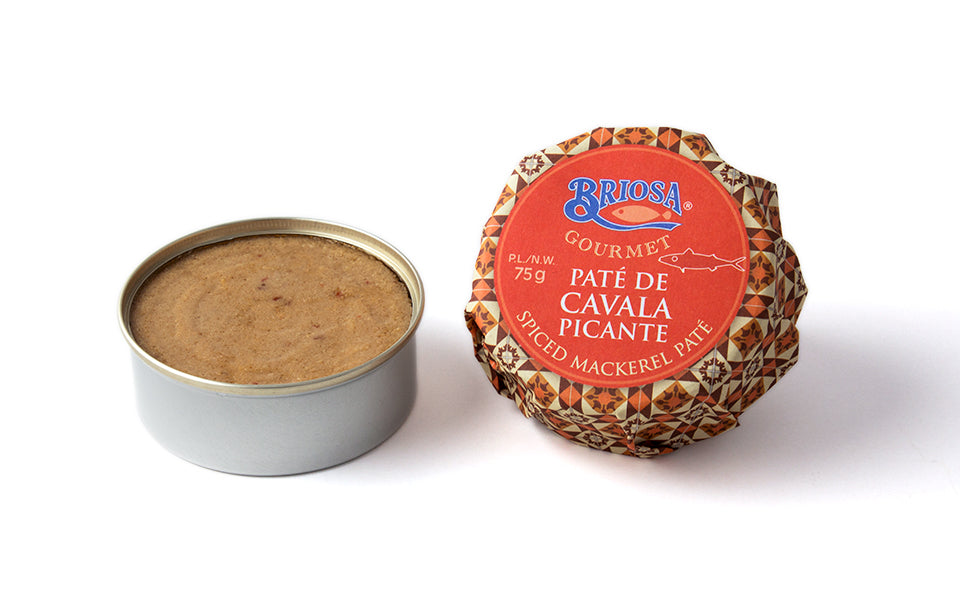
Small mackerel are tinned whole, much like sardines. For spreads and snacks, there is also a spicy mackerel pâté.
Horse mackerel – a close relative
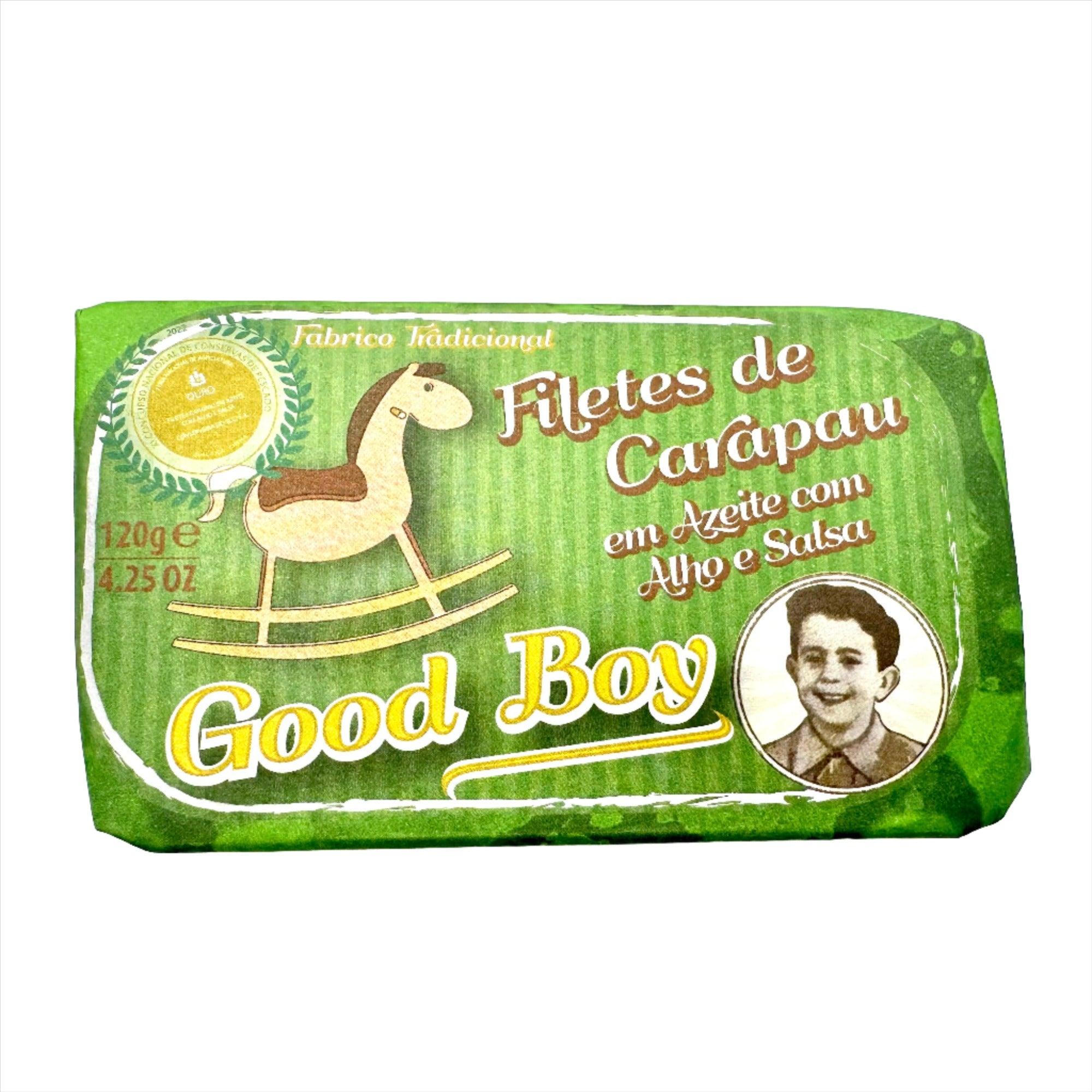
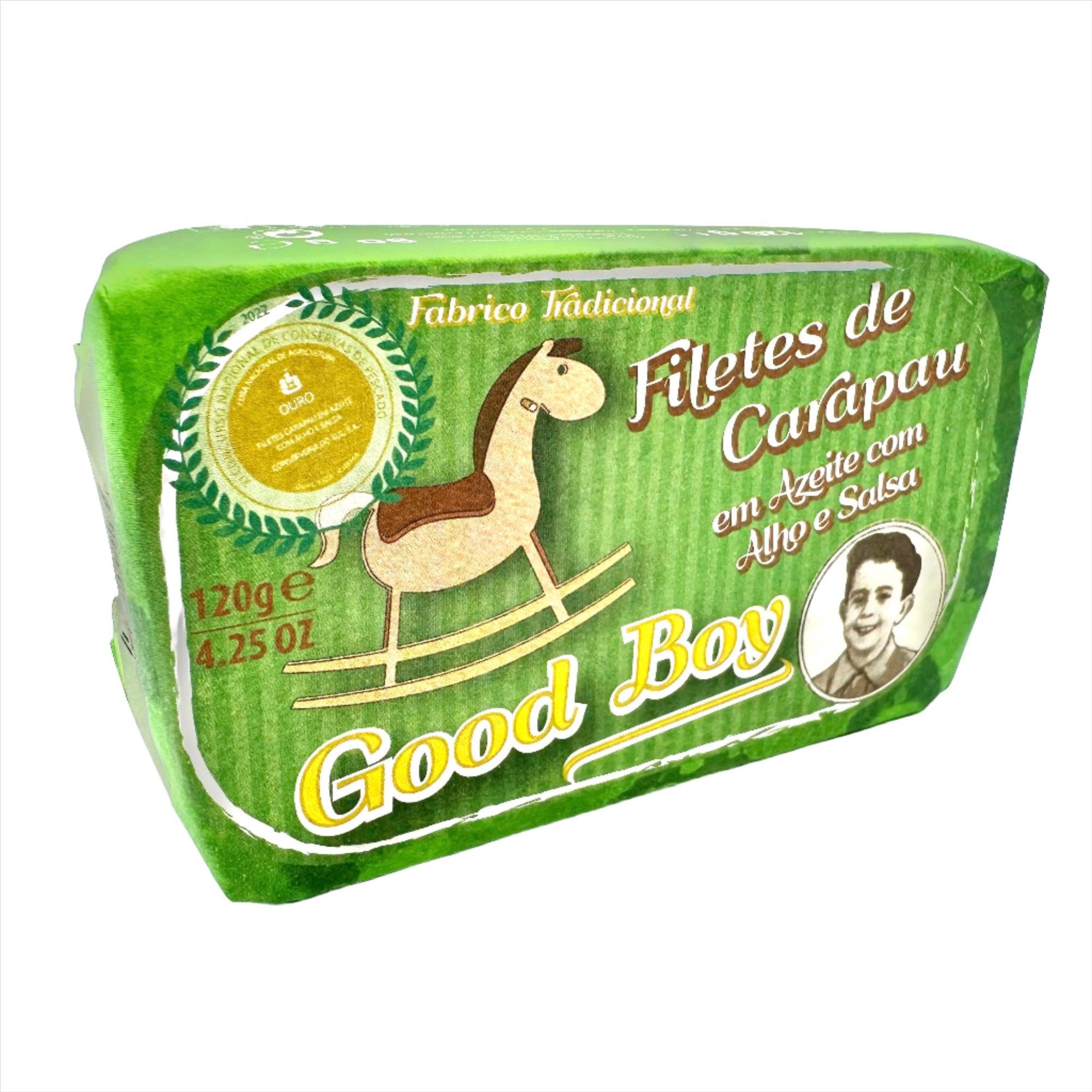
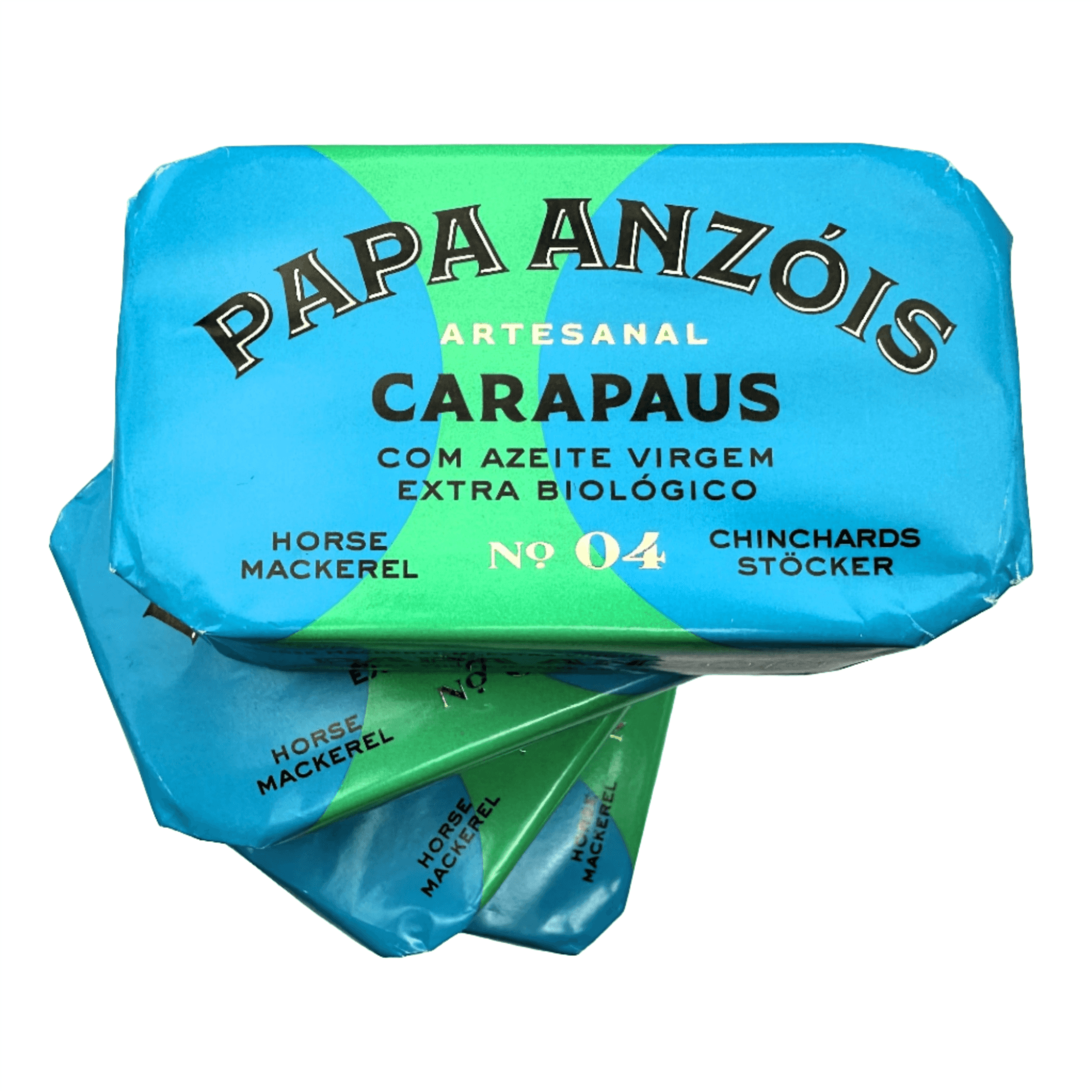
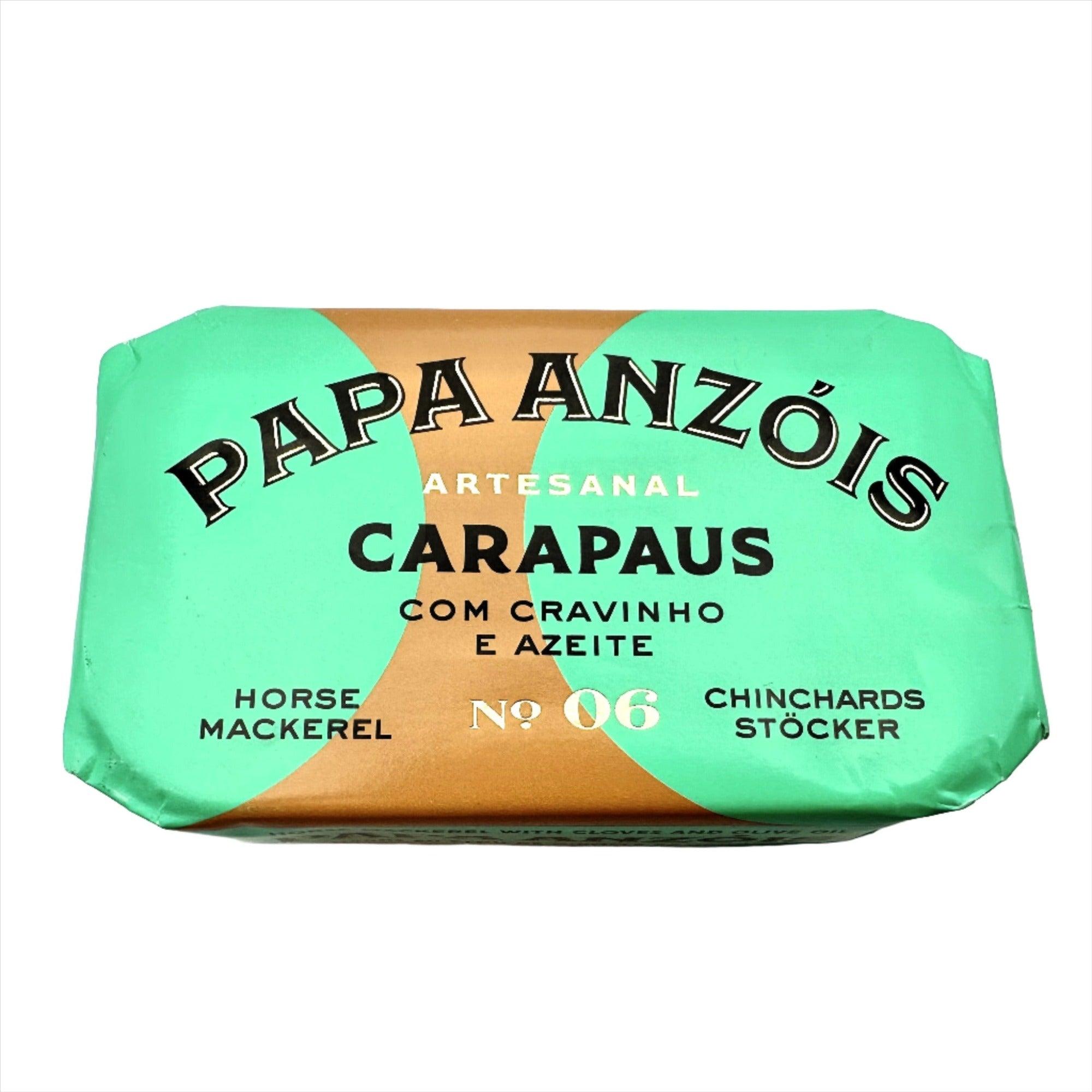
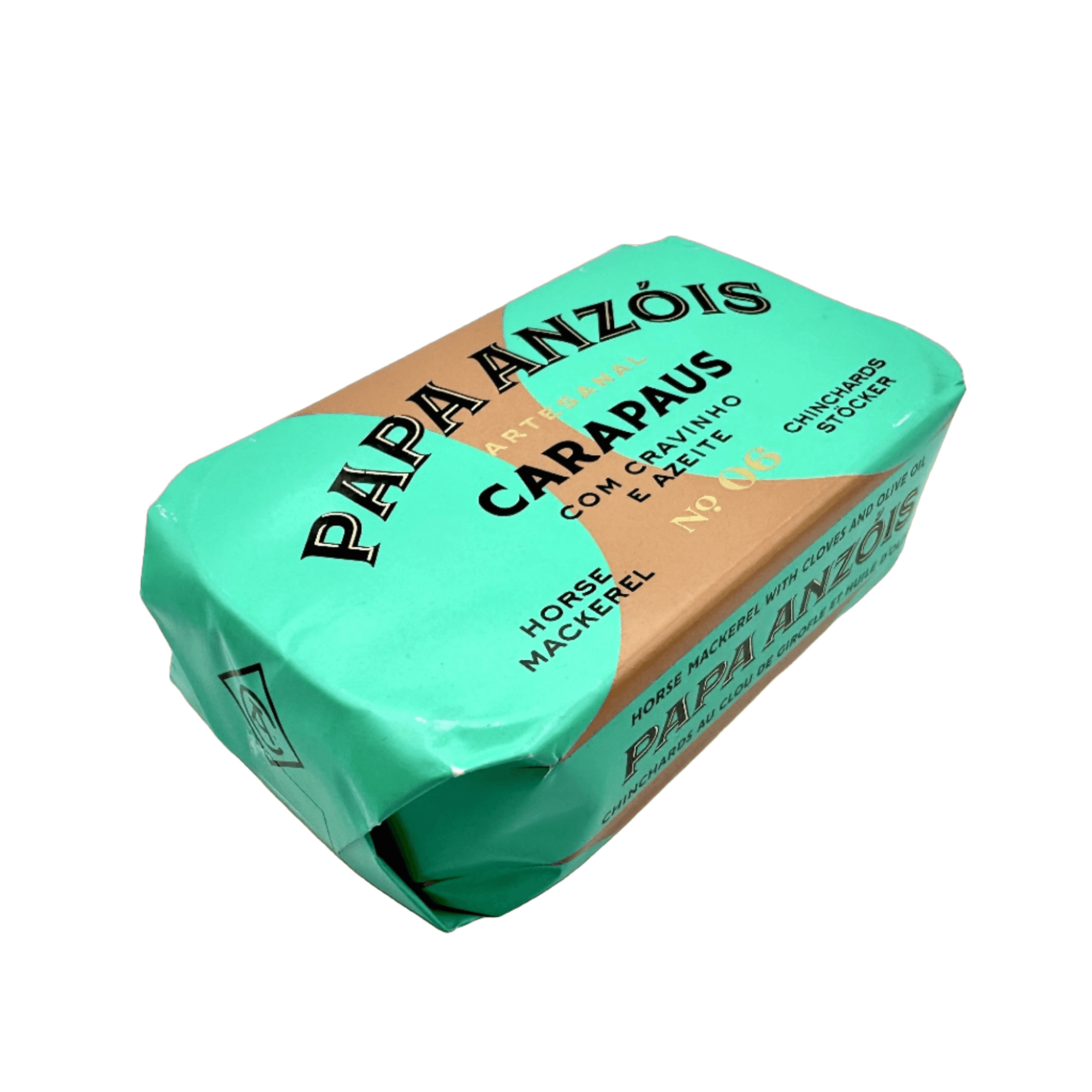
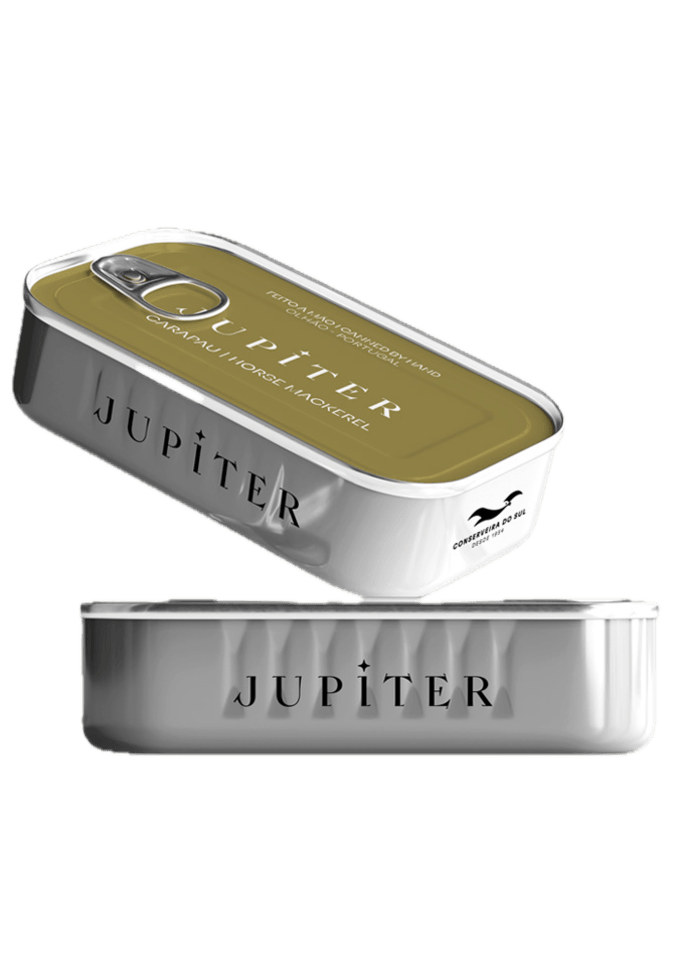
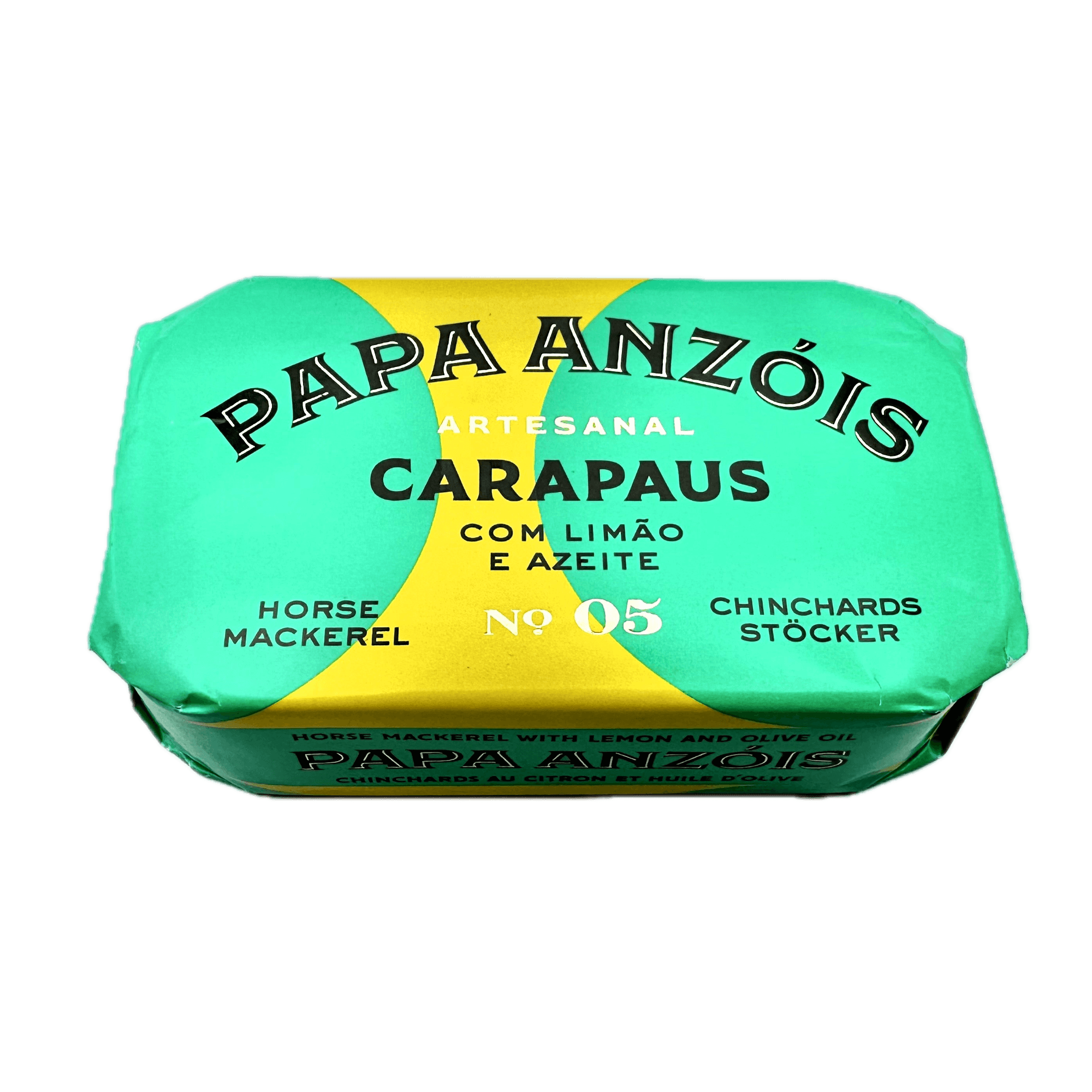
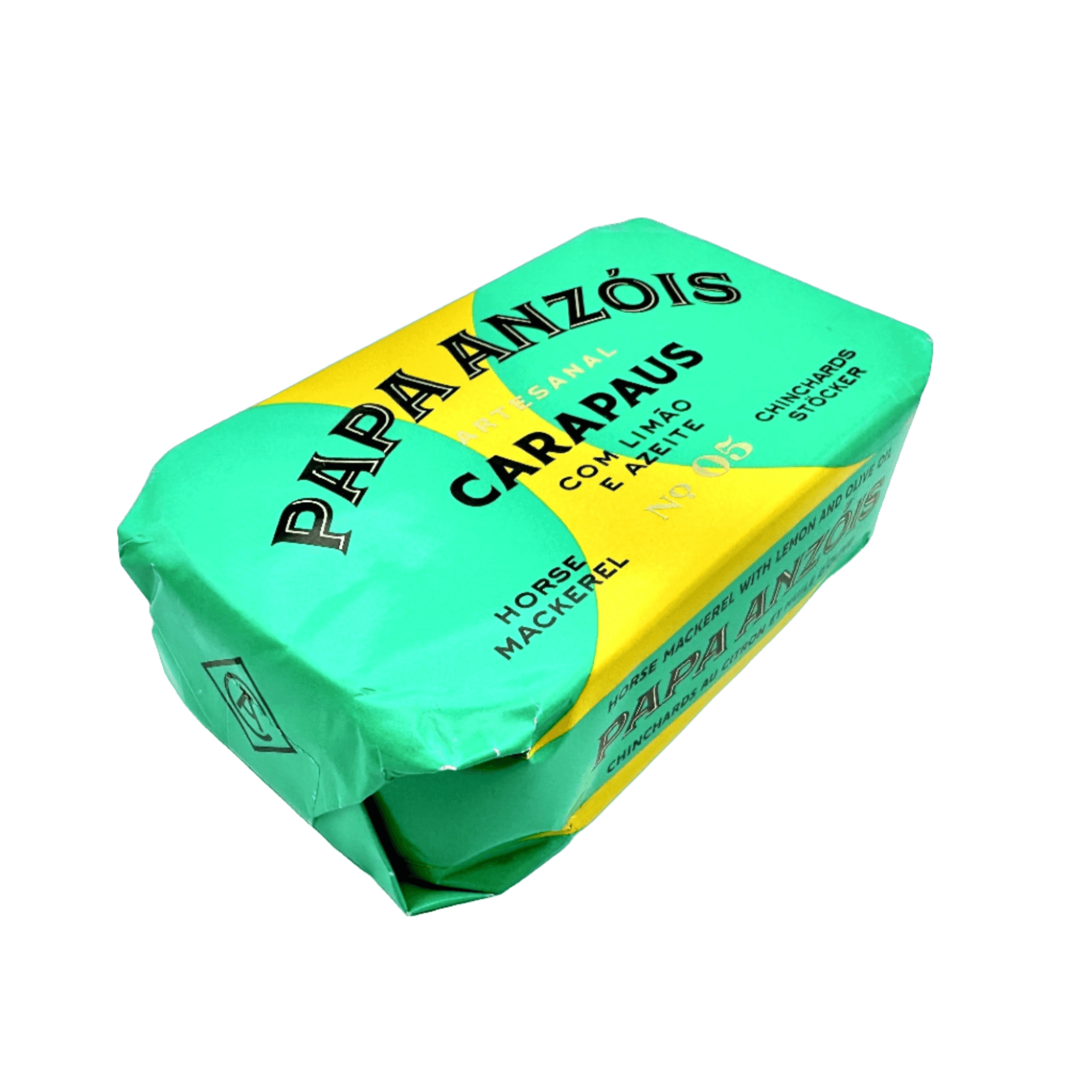
In this collection you will also find Portuguese horse mackerel (carapau). Despite its name, it belongs to a different fish family: its flesh is leaner and its flavour milder than mackerel. In Portugal, horse mackerel is a firm favourite and is often tinned with lemon or spices.
Mackerel or sardines?
Mackerel is a larger fish, so it is usually tinned as fillets. Its flesh is firmer and more filling, which makes it ideal for a hearty meal. Sardines are usually tinned whole, with soft edible bones, so they contain more calcium. If you enjoy both, be sure to explore our sardine range too.
Nutritional value of tinned mackerel
Mackerel is one of the oiliest sea fish, which makes it rich in omega-3 fatty acids – important for heart health and brain function. 100 g of tinned mackerel contains around 20 g of protein, as well as vitamin D and vitamin B12. Atlantic mackerel is considered a low-mercury fish, making it a great choice for an everyday healthy diet.
How to eat tinned mackerel
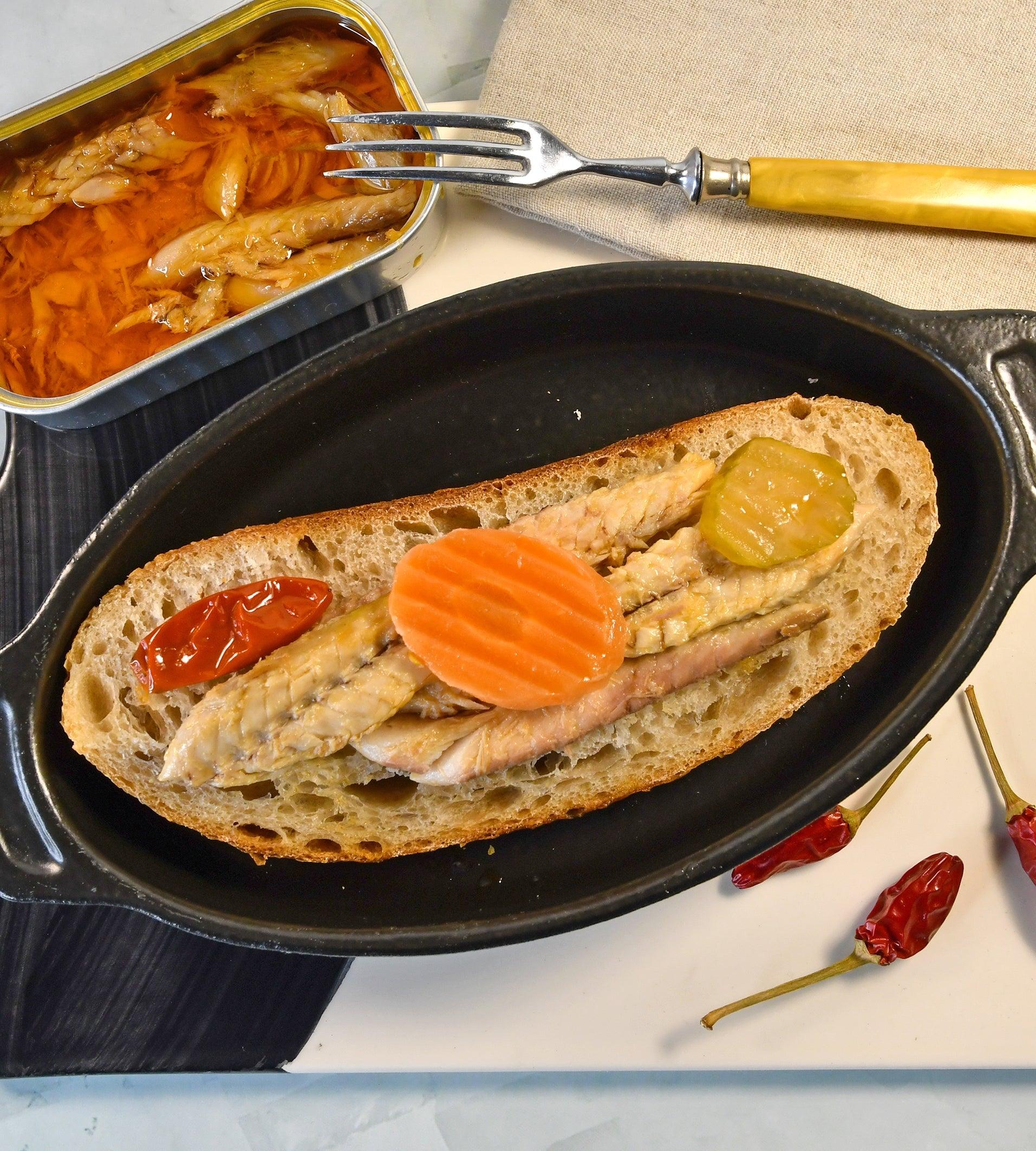
- on toast with a squeeze of lemon and sliced onion;
- in salads with potatoes, beans or tomatoes;
- with pasta, olive oil and garlic;
- mashed with crème fraîche or cream cheese as a pâté.
Frequently asked questions
Does tinned mackerel need cooking?
No. Tinned mackerel is ready to eat straight from the tin. It can also be warmed through – for example, stirred into hot pasta.
Do mackerel fillets have bones?
Mackerel fillets are usually free of larger bones. In whole small mackerel, the bones become soft and edible during canning.
How should I store an opened tin of mackerel?
Transfer any leftover fish, together with the oil, to a glass or ceramic container, cover it and keep it in the fridge. It is best eaten the same day.