

The History of Portuguese tinned food: Why Portuguese Sardines are Considered Among the Best in the World
History of Portuguese Tinned Fish
If you were to ask any seasoned food enthusiast today which country is most closely associated with the finest tinned fish, the answer would very likely be Portugal.
This is no coincidence or simply the result of successful marketing. Behind every tin of authentic Portuguese sardines lies more than 150 years of craftsmanship, refined production methods, respect for quality ingredients, and a rich maritime heritage. Yet this story did not begin in factories, but along the Atlantic coast, where fishing boats laden with shimmering sardines returned to harbour each morning.
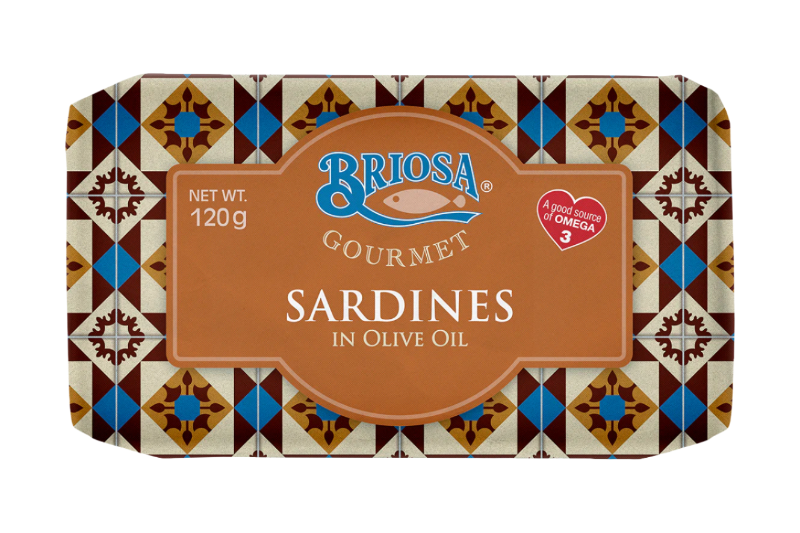
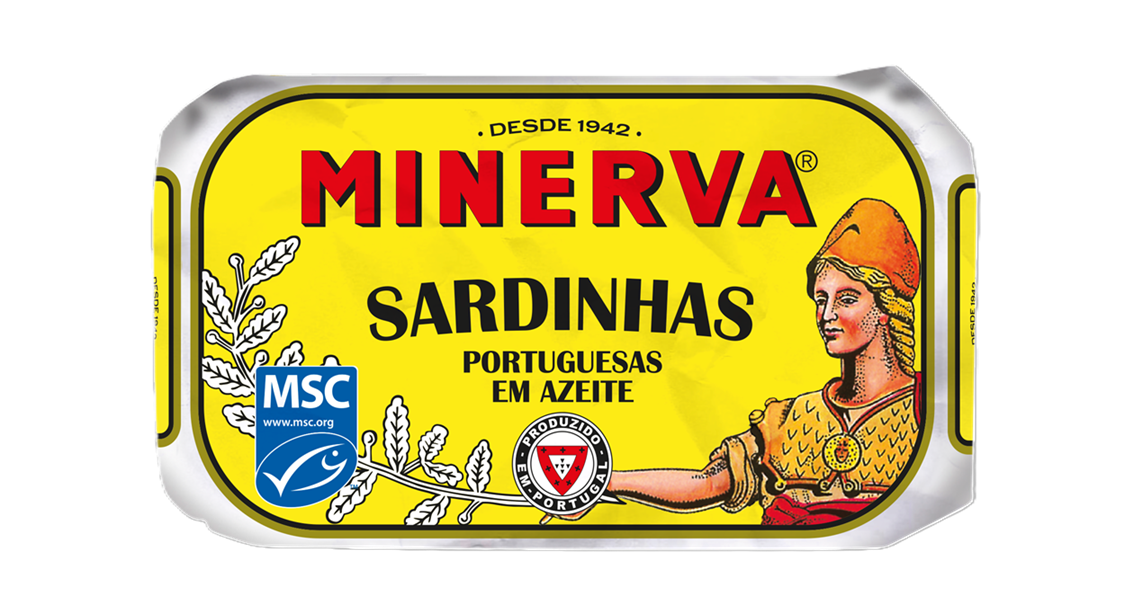
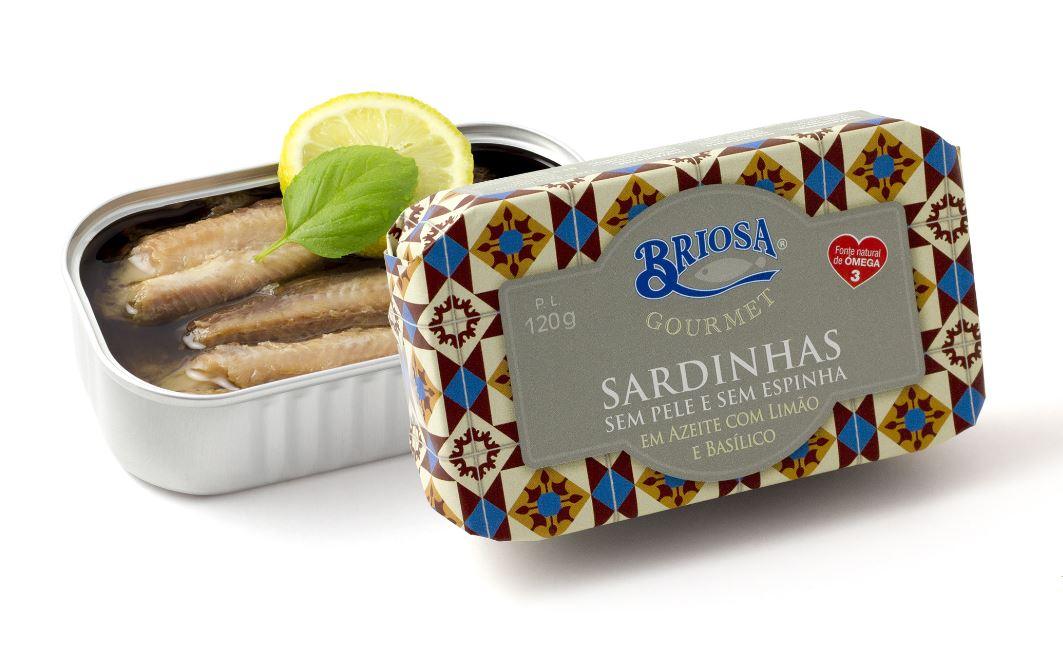
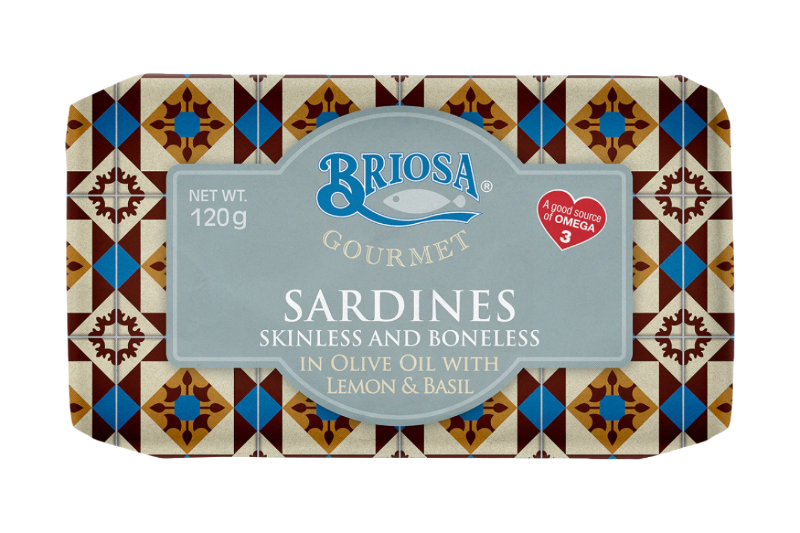
Today, Portuguese tinned sardines are regarded as one of the defining symbols of Portuguese gastronomy. They are celebrated for their exceptional flavour, outstanding quality, nutritional value, and centuries-old production traditions. In the 19th century, however, preserving fish in tins was first and foremost a practical solution – a way of keeping freshly caught fish for as long as possible without compromising its quality.
It was this challenge that ultimately transformed Portugal into one of the world's leading producers of tinned fish.
The story begins not in a factory, but in the Atlantic Ocean
To understand the success of Portuguese tinned fish, one must first understand Portugal itself.
Unlike many European countries, Portugal has always looked towards the Atlantic. With almost 1,000 kilometres of coastline, the sea has never been a barrier but one of the country's greatest assets. For centuries, it has sustained communities, opened trade routes, encouraged seafaring, and shaped the Portuguese way of life.
Fishing was never simply an occupation. In many coastal communities, it became a family tradition, passed down from generation to generation. Boys grew up watching their fathers and grandfathers at sea, and many embarked on their first fishing trips while still in their teens.
One of the most important catches for Portuguese fishermen has always been the Atlantic sardine (Sardina pilchardus), a species native to the eastern Atlantic Ocean.
Atlantic sardines still form a significant part of Portugal's fishing industry and remain the principal species used in many authentic Portuguese tinned sardines.
This remarkable fish possesses qualities that make it ideal for premium preservation in tins:
- naturally high oil content;
- firm yet delicate texture;
- subtle, well-balanced flavour;
- high levels of omega-3 fatty acids.
The Atlantic itself plays an equally important role. Its cooler waters, rich in oxygen and nutrients, provide ideal conditions for healthy, well-fed sardines to thrive. For this reason, Portugal's coastline remains one of Europe's most important fishing grounds for Atlantic sardines.
The Portuguese coast – the cradle of early industrial traditions
Long before the first fish-preserving factories were established, Portugal's coastline was already home to a range of industries closely connected to the sea. One of the most fascinating examples is the tide mill (moinho de maré), which harnessed the natural power of the tides to grind grain. These remarkable structures first appeared during the Middle Ages and remained an important part of the coastal economy for centuries.
Although tide mills were not directly connected with the production of tinned fish, they reflect the long-standing industrial ingenuity that had already developed along Portugal's coastline well before the 19th century. This culture of innovation and practical engineering later helped create the conditions in which Portugal's tinned fish industry could flourish.

(One of the best-preserved examples is the historic tide mill in Seixal Bay)
This centuries-old structure is considered one of the few surviving tide mills of its kind in Europe. It stands as a reminder that industry and innovation had already taken root along Portugal's coastline long before the rapid expansion of the tinned fish industry in the 19th century.
Life before tinned fish
Today, it is difficult to imagine life without refrigeration, cold storage or modern transport. Until the 19th century, however, fishermen had no such advantages.
Even after a successful day's catch, fish had to be sold quickly, as there was no reliable way to keep it fresh for long.
As a result, every catch had to be:
- sold at the local market;
- eaten the same day; or
- preserved using the only widely available method at the time – heavy salting.

Salting was an effective preservation method, but it had its limitations. Fish lost some of its natural texture, its flavour changed, and the finished product was not always suitable for long-distance transport or fine dining.
Portugal's coastline was often so rich in sardines that, on days of particularly abundant catches, some of the fish simply could not be processed or sold in time.
This resulted not only in economic losses but also in the waste of a valuable natural resource.
A better solution was needed.
The technology that transformed the food industry
In the early 19th century, one of the greatest breakthroughs in food preservation took place in Europe.
The French inventor Nicolas Appert developed a method of preserving food by sealing it in airtight containers and heating it to destroy harmful microorganisms. This technique was later adapted for metal tins, which proved lighter, stronger and far more practical for transport than glass containers.
Portuguese entrepreneurs quickly recognised that this innovation had the potential to transform the country's fishing industry.
If fish could be preserved in tins immediately after landing, there would no longer be a need to sell it in haste at local markets. Instead, it could be transported across Europe and eventually exported to even more distant markets.
This marked a turning point that reshaped not only Portugal's fishing industry but also the country's food production as a whole.
The first Portuguese tinned fish factories
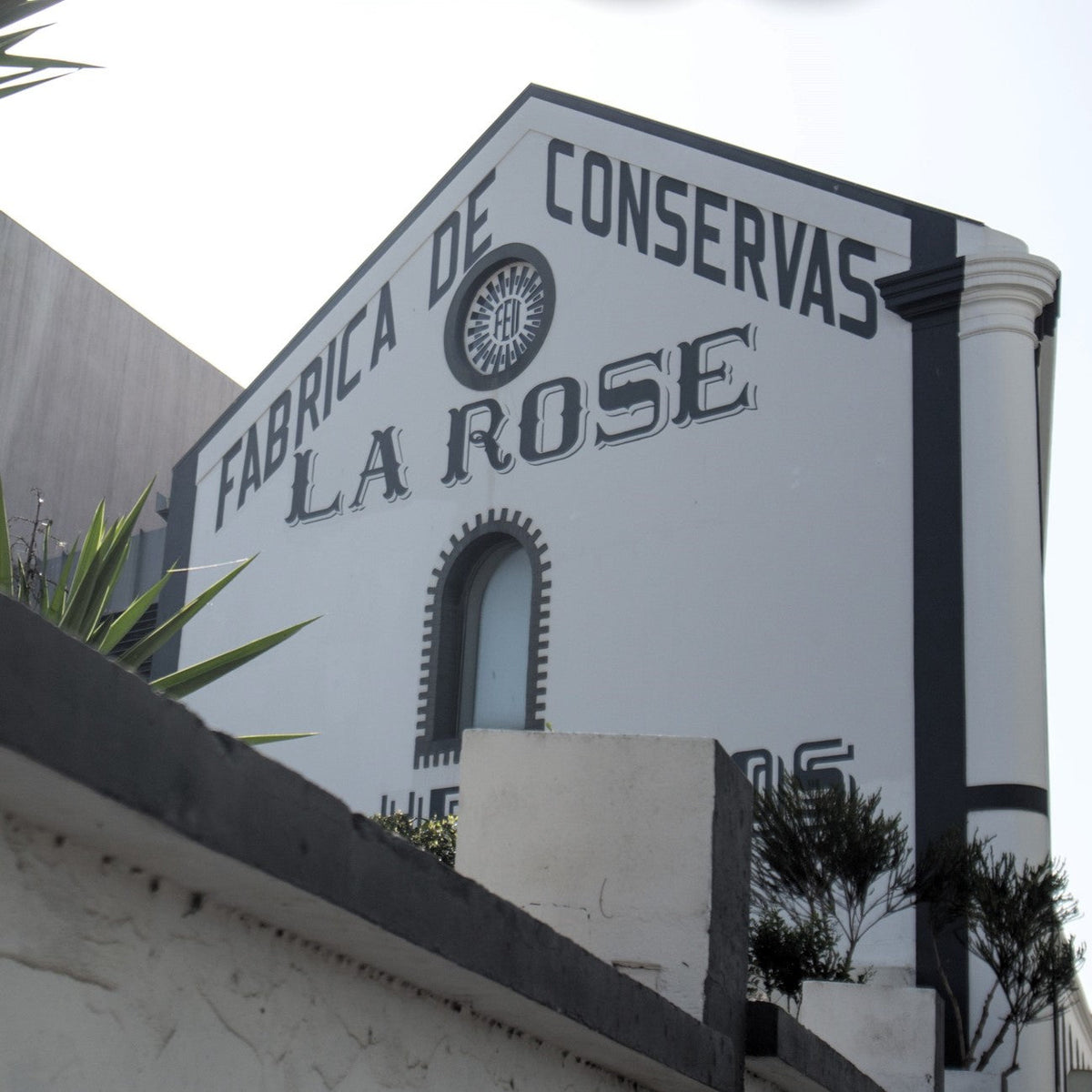
By the middle of the 19th century, the first tinned fish factories had begun to appear along the Portuguese coast.
They were strategically built close to the country's main fishing ports, allowing freshly caught fish to be processed as quickly as possible after landing.
The principal canning centres included:
- Matosinhos, now widely regarded as the tinned fish capital of Portugal;
- Setúbal, one of the country's oldest fishing towns;
- Peniche, renowned for its rich maritime heritage;
- Portimão, in the Algarve; and
- Póvoa de Varzim, on Portugal's northern coast.
Proximity to the ports became one of the industry's greatest advantages.
The less time that passed between the catch and the preserving process, the better the fish retained its freshness, texture and natural flavour. More than 150 years later, this principle remains at the heart of many of Portugal's finest tinned fish producers.
Discover the history at the Portimão Museum
To gain a deeper understanding of how Portugal's tinned fish industry developed, a visit to the Portimão Museum (Museu de Portimão) in the Algarve is well worth making.













Leave a comment
This site is protected by hCaptcha and the hCaptcha Privacy Policy and Terms of Service apply.