

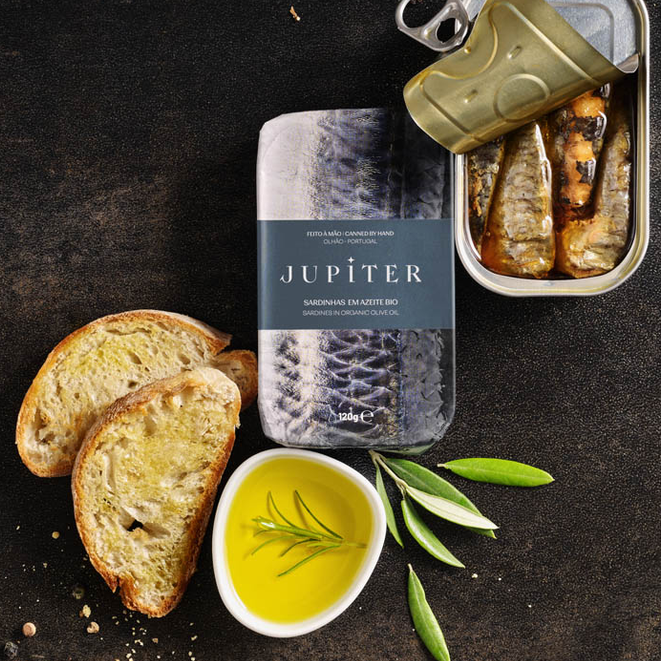

Sardines are getting harder to find: what’s behind the squeeze and why a few tins make sense
You sometimes only realise how ordinary a food has become when it suddenly stops appearing on every supermarket shelf. That is what has been happening with sardines. In early September 2026, several major German food retailers reported limited availability. Aldi Nord referred to difficult fishing conditions, Rewe described tight supplies of raw fish across Europe, while Lidl, Kaufland and others also acknowledged isolated shortages, as n-tv reported in a survey of German retailers.
At first glance, that sounds like a supermarket story. The more interesting story begins much earlier - at sea. Sardines are a natural resource, and supply cannot simply be increased whenever demand rises. Availability depends on the condition of fish stocks, fishing grounds, marine conditions, seasonality and the rules governing how much may be caught.
Portugal offers a particularly useful example of why the current situation deserves a more nuanced reading. Sardines are not suddenly “disappearing”. Rather, catches are deliberately controlled, while the quantity of raw fish available to processors has clear biological and regulatory limits.
The pressure on supply begins long before the supermarket shelf
North-West African sardine fisheries have long been an important source of raw material for the European processing industry. In Morocco, however, landings have fallen sharply. SeafoodSource reports that official sardine landings dropped by 46% in 2024, from close to one million tonnes to around 525,000 tonnes. The sector has linked the decline to changing marine conditions and climate-related effects on the quantity and quality of catches.
There has also been a significant change in trade. From 1 February 2026, Morocco introduced an indefinite ban on exports of frozen sardines as the government sought to protect domestic supply amid falling availability and rising prices. The measure was covered in detail by SeafoodSource in its report on Morocco’s frozen sardine export ban.
That helps explain why European processors and retailers are feeling more pressure. Yet the situation is not confined to North-West Africa. A look at Portugal shows just how closely sardine catches are managed within Europe itself.
Portugal closed the targeted sardine fishery in December 2025
Few European countries have a relationship with sardines quite like Portugal. They are woven into the country’s food culture, fishing tradition and canning industry. Yet that cultural importance does not mean catches are unlimited. If anything, it makes careful management of the resource more important.
For the Portuguese purse-seine fleet, the 2025 rules set an upper limit of 34,406 tonnes for sardine catches and landings. As the end of the year approached, the Portuguese fisheries authority, DGRM, expected the limit to be reached shortly and decided to close the targeted sardine fishery from 3 December 2025.
The official DGRM decision on the closure of the 2025 sardine fishery gives another important reason alongside the approaching catch limit: protecting the stock during its main reproductive period. Limited incidental catches of sardines, amounting to no more than 10% of each landing, remained permitted.
That distinction matters. Portugal did not close the fishery because it had suddenly “run out of sardines”. The measure was part of a controlled system for managing a natural resource. What it does show, very clearly, is that even in one of Europe’s most important sardine-producing countries, the quantity that may be caught has firm biological and regulatory boundaries.
Fishing reopened in 2026 – with a slightly lower Portuguese limit
Targeted sardine fishing in Portugal reopened at midnight on 4 May 2026. Portugal and Spain jointly manage the Iberian Atlantic sardine stock under a multiannual framework that sets annual catch levels and includes measures designed to protect juvenile fish.
For 2026, the joint limit was set at 50,294 tonnes, of which 33,446 tonnes were allocated to Portugal - 960 tonnes less than the Portuguese limit for the previous year.
That reduction should not be sensationalised. Catch limits are a routine instrument of fisheries management, not proof of an imminent supply crisis. Taken together with the tighter situation in North-West Africa, however, they explain why sardines cannot be treated as an infinitely expandable raw material.
What the shopper sees on a supermarket shelf is therefore only the visible end of a much longer chain - one that begins with a wild fish stock.

What does this actually mean for consumers?
First of all, there is no reason to panic-buy.
Temporary gaps in the availability of particular sardine products do not mean that sardines have suddenly become unavailable altogether. Nor does today’s catch move directly from sea to supermarket shelf. Fish canneries plan production in advance, hold stocks of raw fish and finished products and, depending on the producer, work with different suppliers and authorised fishing grounds.
A tighter supply of raw fish can nevertheless have consequences. Particular fish sizes, recipes or brands may be harder to source for a while, lead times can lengthen and higher raw-material costs can eventually find their way into retail prices.
For consumers, the sensible response is far less dramatic than the headlines might suggest. If sardines are something you already eat regularly, keeping a few tins in the cupboard is perfectly reasonable - not because there will be none left tomorrow, but because tinned sardines happen to be exceptionally useful to have at home.
Why tinned sardines make such a good cupboard staple
A well-stocked cupboard is not an emergency bunker. Its value is usually felt on completely ordinary days: when you arrive home later than expected, the fridge is almost empty or you simply cannot face another trip to the shops.
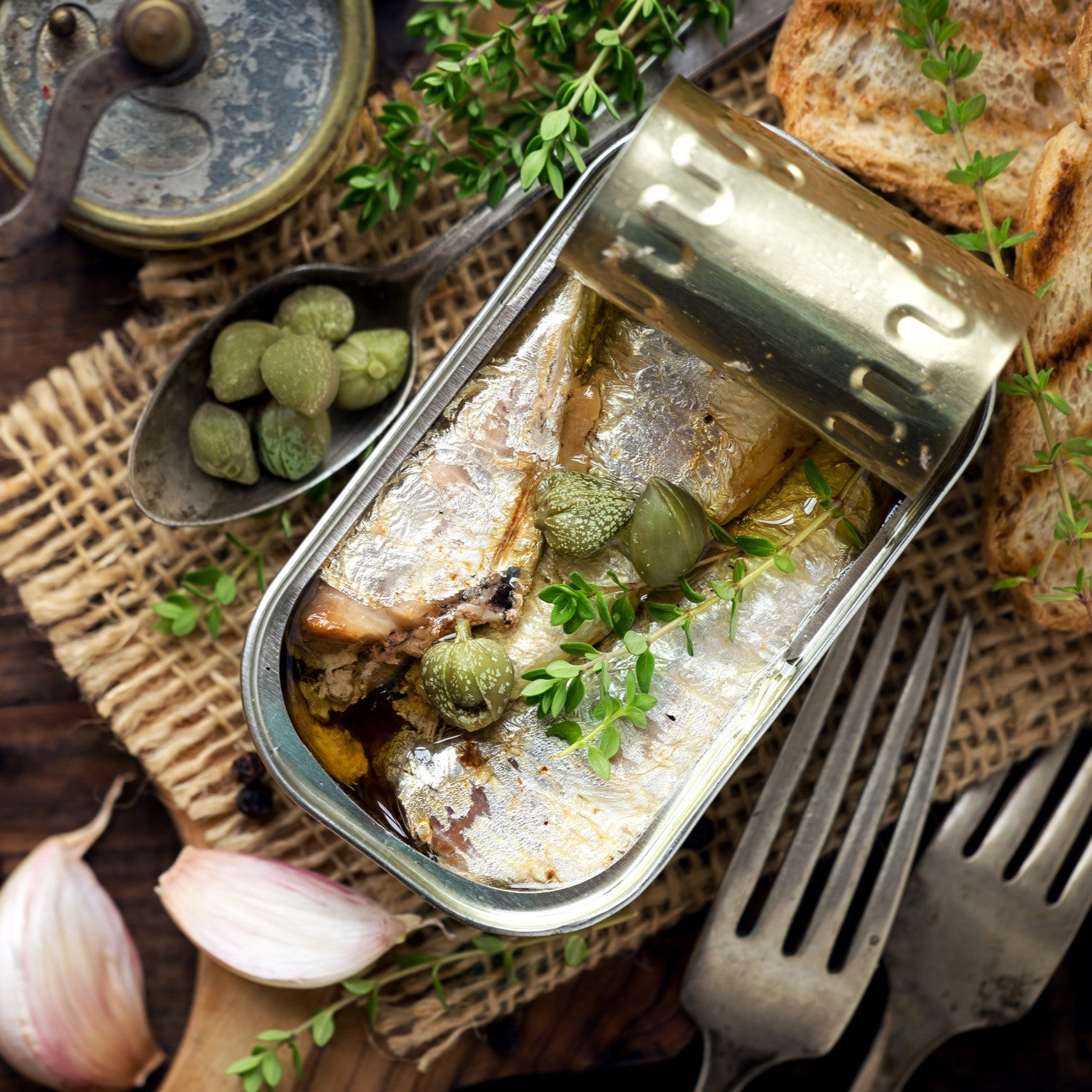
A tin of sardines in olive oil, some decent bread and a few tomatoes can already be enough for a simple meal. Add boiled potatoes, pasta or a salad and there is very little left to organise.
Tinned food is particularly well suited to this role because properly preserved products are designed for long storage before opening. They require little space, no preparation and, where the label specifies ambient storage, no refrigeration. The basic precautions are equally straightforward: follow the manufacturer’s storage instructions and avoid tins that are badly damaged, deeply dented, heavily rusted or bulging (source: UK Food Standards Agency guidance on damaged tins).
That makes tinned sardines the sort of food that can wait patiently until they are needed. A dry cupboard away from excessive heat and the storage instructions on the pack are usually all the attention they require.

Practical – but far more than practical
It would be a mistake to value sardines only for their shelf life. Sardines are an oily fish and naturally provide protein as well as long-chain omega-3 fatty acids.
The NHS includes sardines among oily fish that are particularly rich in long-chain omega-3. It also notes that tinned sardines eaten with their soft bones can provide calcium and phosphorus.
More importantly, sardines are simply food rather than a nutritional exercise. There is no supplement to remember and no elaborate recipe to master. Good sardines can be eaten with bread, folded through a salad or combined with pasta and potatoes.
That matters when choosing foods for the cupboard. A product can have an impressive shelf life, but it is only genuinely useful if you actually look forward to eating it.
Tinned sardines are more varied than they first appear
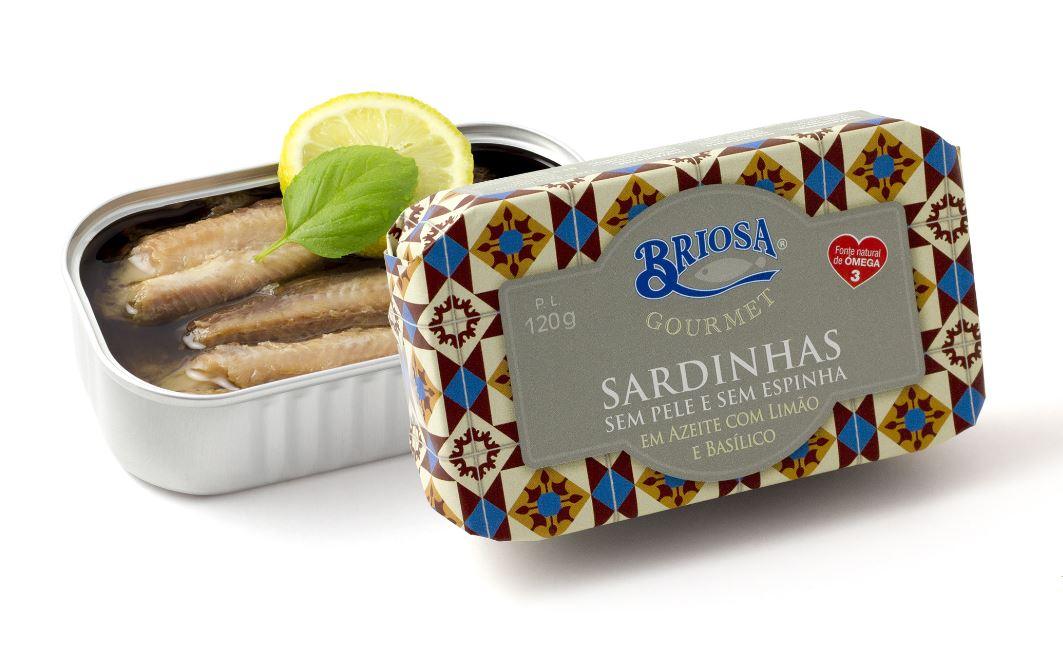
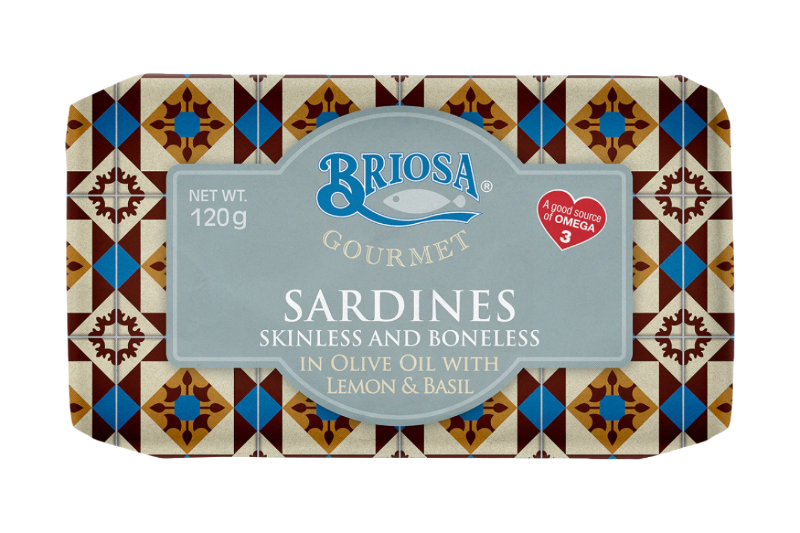
Anyone who thinks of sardines as one standard tin probably underestimates the category. Sardines in olive oil work just as well with bread as they do with pasta, potatoes or salad. Lemon gives them a fresher character, piri-piri or chilli adds heat, while tomato sauce takes them in a richer, fruitier direction.
Then there are different olive oils, herbs, spices and recipes developed by individual producers. In Portugal, generations of canning have created an especially rich conservas culture in which a tin is not simply a method of preserving fish, but also a way of expressing different recipes, techniques and producer traditions.
Variety in the cupboard does not need to mean quantity. Three different tins can be much more useful – and more interesting – than ten identical ones. The better question is not how many sardines you own, but how many different meals they can help you make.
What can you make quickly with sardines?
Sardines on toast remain one of the simplest options. A little olive oil from the tin, a squeeze of lemon and some black pepper may be all that is needed. Add ripe tomatoes or a small salad and it becomes an easy lunch or supper.
Pasta requires hardly any more effort. While it cooks, gently warm some garlic in olive oil, then add the sardines and, if you like, a little chilli towards the end. The whole meal takes little longer than boiling the pasta itself.
Boiled potatoes are another natural partner. Add sardines, red onion, parsley and olive oil and you have a simple plate that does not feel remotely like emergency cupboard food. On warmer days, tomatoes, salad leaves, olives, bread and a tin of sardines can be enough.
And when the fridge genuinely is close to empty, there is always the improvised version: sardines, bread or crackers, a few olives and whatever pickled vegetables happen to be around. That is the real advantage of a useful cupboard staple – it does not need a predetermined recipe.
Why Portugal matters so much to sardine culture
Sardines have been part of Portuguese everyday life and festive food culture for generations. Alongside that tradition, a substantial fish-canning industry developed from the nineteenth century onwards, giving rise to producers, regional styles and recipes that continue today.
With good Portuguese conservas, preservation is only part of the story. The size and texture of the fish, the way it is prepared, the olive oil and the recipe can all alter the character of a tin considerably.
Carefully managed fishing is therefore not at odds with this tradition. Quite the opposite: for Portugal’s sardine and canning tradition to thrive over the long term, fish stocks need to be maintained and managed responsibly.
A well-stocked cupboard is not panic buying
Whenever reports appear about a food becoming harder to find, the idea of “stocking up” can quickly take on the wrong meaning. Keeping a sensible supply at home does not mean buying twenty tins because sardines happen to be in the news.
If you eat sardines only occasionally, you need very few. If they are something you regularly use for quick meals, you may prefer to have a handful of different varieties in the cupboard. The important point is that they are foods you genuinely use and replace naturally as they are eaten.
That is not an emergency stockpile for some hypothetical future crisis. It is simply a well-stocked kitchen cupboard. Its value becomes apparent not in an emergency, but on an entirely ordinary Tuesday evening when you do not have to go back out to the supermarket.
Something good in the cupboard
Perhaps that is the most useful conclusion to draw from the current situation. Natural foods are not infinitely available. Catch limits change, fish stocks need protection and international supply chains can come under pressure. None of that is a reason for alarmism, but it is a good reason to think a little more carefully about the food we buy and to stop treating a useful cupboard supply purely as preparation for a crisis.
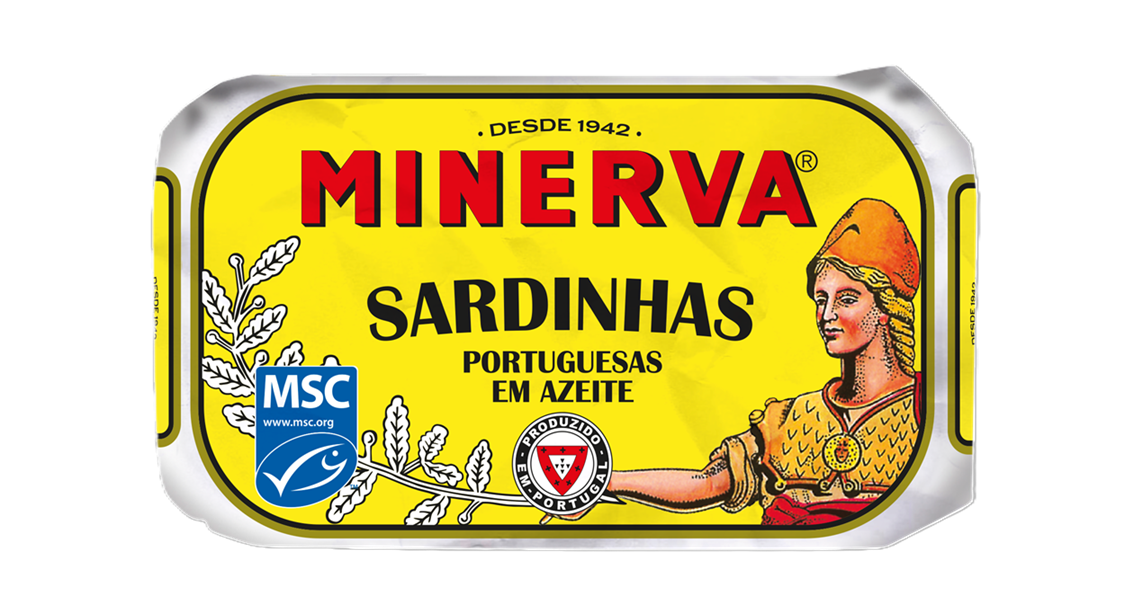
SARDINELE has long-standing relationships with several Portuguese producers and supply partners and, despite the current pressure on raw fish supplies, remains well supplied with sardines. We continue to offer a broad selection of Portuguese sardines.
A well-stocked cupboard is not about buying as much as possible, but about having the right things at home.
Frequently asked questions about the current sardine situation
Why are sardines becoming harder to find?
Several major German food retailers reported limited availability in early September 2026. One important factor is tighter raw-material supply from North-West Africa. Moroccan sardine landings have fallen sharply in recent years, while exports of frozen sardines were halted from February 2026 as Morocco sought to protect its domestic market.
Did Portugal really close its sardine fishery?
Yes, although it is important to be precise: Portugal closed the targeted sardine fishery from 3 December 2025. The Portuguese annual limit of 34,406 tonnes was expected to be reached shortly, and the authorities also wanted to protect the stock during its main reproductive period. Limited incidental catches remained permitted.
Is Portugal fishing for sardines again in 2026?
Yes. Targeted fishing reopened at midnight on 4 May 2026. Portugal’s 2026 allocation is 33,446 tonnes within the joint Portugal–Spain management framework for the Iberian Atlantic sardine stock.
Does this mean Portuguese sardines are running out?
No. Catch limits and seasonal closures are tools used to manage a natural fish stock. They show that the amount of raw fish available has limits, but they should not be interpreted as evidence that Portuguese sardines are about to disappear.
Are tinned sardines suitable for keeping in the cupboard?
Yes. Unopened commercially preserved tins are designed for long storage when kept according to the manufacturer’s instructions. Avoid using badly damaged, deeply dented, heavily rusted or bulging tins.
Do tinned sardines contain omega-3?
Yes. Sardines are oily fish and naturally contain long-chain omega-3 fatty acids. The exact amount varies by product. The NHS specifically lists sardines among oily fish that are particularly rich in long-chain omega-3.
Should I stock up on sardines because of the current supply pressure?
No. The current situation is not a reason to panic-buy. Keeping a few tins makes sense if sardines are already part of the way you eat and the products in your cupboard are used and replaced normally.











Leave a comment
This site is protected by hCaptcha and the hCaptcha Privacy Policy and Terms of Service apply.